Wadi Dayqah Dam: A Strategic Project Enhancing Water Security, Agriculture, and Tourism in Oman
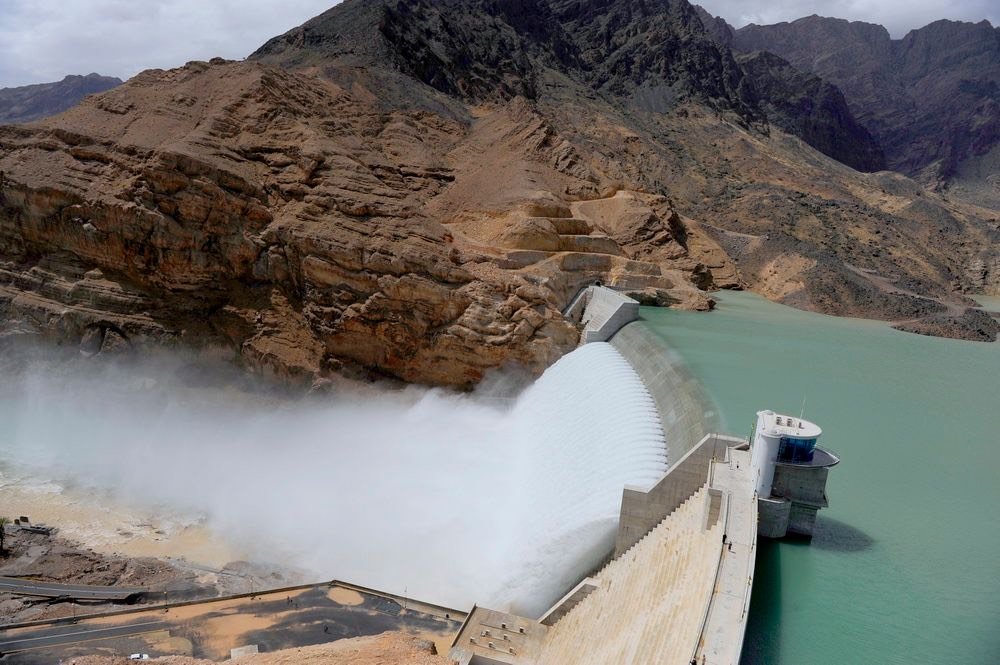
Wadi Dayqah Dam, located in the Wilayat of Qurayyat in Muscat Governorate, stands as one of the Sultanate of Oman’s most strategic infrastructure projects. It plays a pivotal role in strengthening water security, supporting food security, and driving sustainable development in line with Oman Vision 2040.
Strengthening Water Security and Flood Protection
With a storage capacity of approximately 100 million cubic meters, Wadi Dayqah Dam is a key component of Oman’s integrated water management system. The dam supplies drinking water, supports agricultural irrigation, enhances groundwater recharge, and protects nearby residential and agricultural areas from flooding during periods of heavy rainfall.
By regulating water flow and storing excess rainfall, the dam helps mitigate the effects of climate variability, reduces drought impacts, and ensures a more reliable and sustainable water supply for surrounding communities.
Supporting Agriculture and Food Security
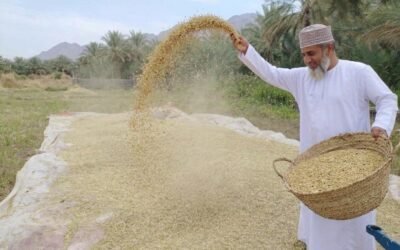
The dam provides a stable and continuous water source for irrigation, enabling farmers to improve agricultural productivity and reduce losses caused by water shortages. This reliability supports crop sustainability, increases farmers’ incomes, and contributes to local food security.
In addition, the dam plays a vital role in replenishing aflaj and wells, preserving traditional irrigation systems and supporting long-term environmental sustainability.
Major Water Purification Project Underway
As part of efforts to maximize water utilization, Nama Water Services, in cooperation with the Ministry of Agriculture, Fisheries and Water Resources, is implementing a major water purification project at Wadi Dayqah Dam.
The project has a production capacity of approximately 65,000 cubic meters per day, with around 15 percent of the work already completed. Once operational, it will significantly enhance the availability of treated water and further reinforce water security in Muscat Governorate.
Emerging Eco-Tourism and Recreational Destination
Beyond its water and agricultural importance, Wadi Dayqah Dam has become a prominent eco-tourism destination, attracting visitors from within Oman and abroad. The site’s natural beauty and mountainous landscape provide an ideal setting for a wide range of recreational and adventure activities.
Activities include kayaking, family boating, mountain hiking, climbing, horseback riding, cycling, and a zipline over the lake, making the dam a popular destination for nature lovers and adventure enthusiasts.
Agricultural Tourism Initiatives
In support of innovative tourism development, a contract has been signed with Janaeen Company to plant 2,361 mango seedlings around the dam. This initiative aims to enhance agricultural tourism, diversify visitor experiences, and further link water sustainability with food production and tourism growth.
A Pillar of Sustainable Development
Wadi Dayqah Dam is more than an engineering structure; it is a comprehensive development project that connects water sustainability, economic growth, social stability, and environmental protection.
By efficiently managing water resources in an area affected by fluctuating rainfall and increasing demand, the dam contributes to long-term resilience and balanced development. The project reflects Oman’s commitment to sustainable resource management and its strategic vision for a secure, diversified, and environmentally responsible future.