Oman Performs First Partial Corneal Transplant at Secondary Healthcare Level
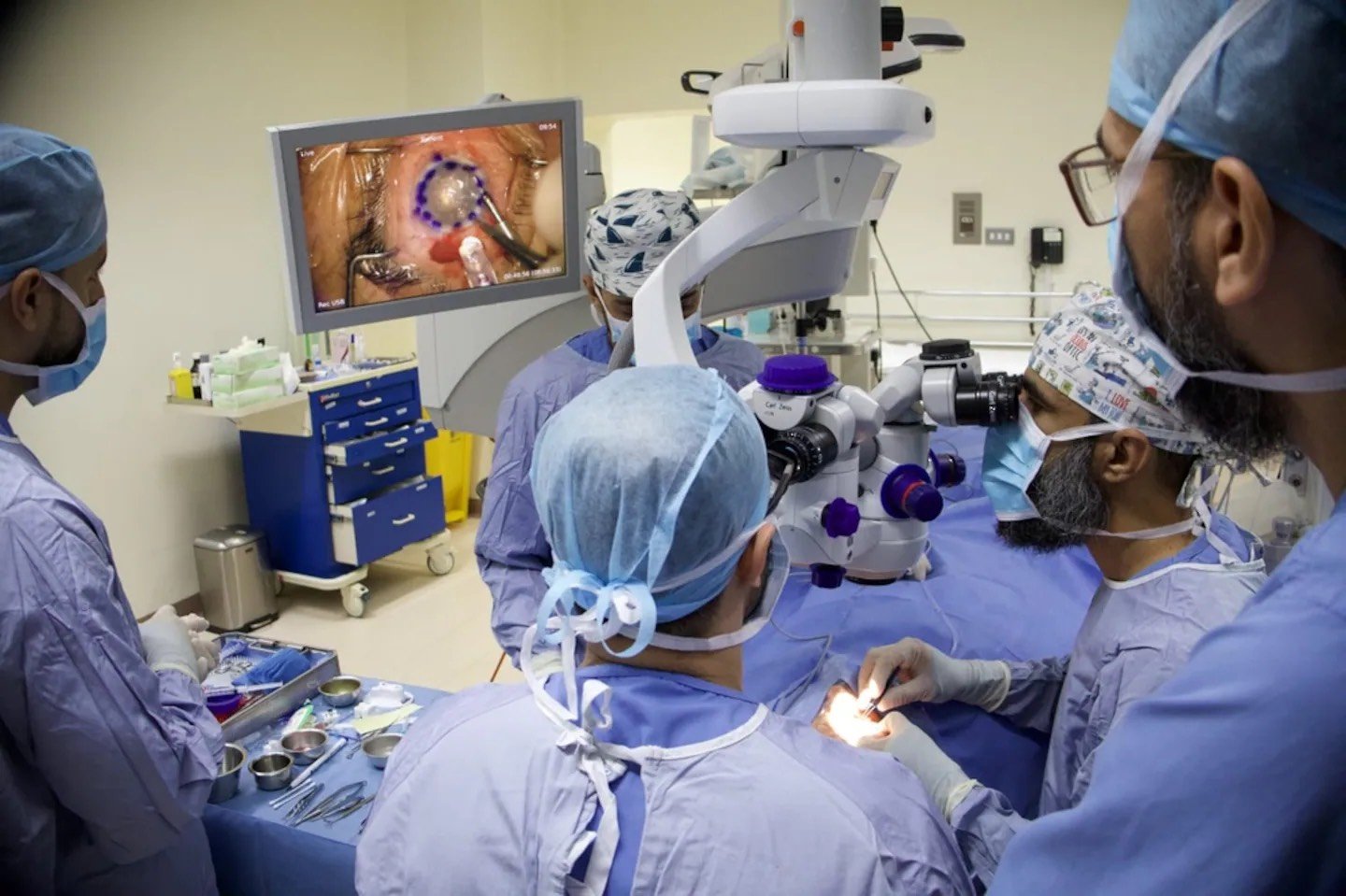
A specialized medical team from the Ophthalmology Department at Ibra Hospital has successfully performed the first partial corneal transplant for a 74-year-old female patient suffering from severe visual impairment due to damage to the corneal endothelial cells. This marks the first procedure of its kind in the Sultanate of Oman at the level of secondary healthcare in referral hospitals.
Dr. Saif bin Mubarak Bani Araba, Consultant in Corneal Surgery and head of the surgical team, explained that the operation lasted about an hour and a half. The patient had experienced significant vision loss caused by damage to the endothelial cells, which are responsible for pumping fluid out of the cornea. When these cells fail, fluid accumulates in the cornea, leading to impaired vision.
He added that in such cases, a partial corneal transplant is often preferred, as it has a higher success rate and lower risk of rejection compared to a full transplant. In this operation, the damaged part of the cornea was replaced with healthy, functional tissue from a deceased donor.
Dr. Bani Araba emphasized that this achievement represents a major step forward in providing precise diagnostic and therapeutic eye care services beyond Muscat Governorate, across various regions of the Sultanate. It also supports the Ministry of Health’s decentralization strategy and helps boost public confidence in healthcare institutions throughout Oman.
Dr. Abdullah Suleiman Al-Shukaili from the National Organ Transplant Program stated that as part of the Ministry of Health’s ongoing efforts to improve patients’ quality of life and advance healthcare services across Oman, the National Organ Transplant Program, in collaboration with Ibra Hospital’s Ophthalmology Department, carried out corneal transplants for the first time in secondary healthcare hospitals.
He noted that over 125 corneal transplant procedures have been performed in Oman between September 2023 and May 2025, highlighting the growth in local medical capabilities. There are also plans to expand these procedures to more hospitals to reduce waiting lists and minimize the need to send patients abroad for treatment—aligning with the Ministry’s decentralization goals and efforts to enhance the national healthcare system.
This accomplishment is part of the National Organ Transplant Program’s broader plan to localize corneal transplant services in Oman by establishing an Eye Bank. The bank will collect and preserve donated corneas within the Sultanate over the next five years, aiming for self-sufficiency and equitable access to these services across all governorates.
This step reflects the Ministry of Health’s continuous efforts to advance ophthalmology services and reaffirms Oman’s commitment to providing world-class healthcare to both citizens and residents.
Source: Atheer