Oman and Uzbekistan: Promoting Tourism, Cultural Exchange, and Shared Heritage
Tourism represents one of the most promising areas for strengthening relations between the Sultanate of Oman and the Republic of Uzbekistan. Both countries possess distinctive natural landscapes, rich historical heritage, architectural treasures, and deeply rooted cultural traditions.
Although geographically different, Oman and Uzbekistan share an important characteristic: both offer visitors an opportunity to discover centuries of history, Islamic civilisation, traditional hospitality, and authentic cultural experiences.
Developing tourism cooperation between the two countries can increase visitor flows, encourage investment, strengthen people-to-people relations, and create new opportunities for tourism companies and hospitality businesses.
Uzbekistan: A Destination of History and Cultural Heritage
Uzbekistan is among the most historically significant destinations in Central Asia. Its cities played an essential role in the ancient Silk Road, connecting China, Central Asia, the Middle East, and Europe through centuries of commercial and cultural exchange.
Samarkand, Bukhara, Khiva, and Tashkent offer visitors a remarkable combination of Islamic architecture, historical monuments, traditional markets, museums, and modern urban attractions.
Samarkand, with its iconic Registan Square, is internationally recognised for its architectural heritage. Bukhara offers an exceptional journey through Islamic scholarship and traditional urban life, while Khiva preserves the atmosphere of an ancient Silk Road city.
These destinations have considerable appeal for Omani travellers, particularly families and visitors interested in Islamic history, architecture, cultural tourism, and traditional experiences.
Oman: Nature, Heritage, and Authentic Arabian Hospitality
The Sultanate of Oman offers a different but equally attractive tourism experience.
Muscat combines historical landmarks, museums, traditional markets, and modern hospitality facilities. Nizwa provides an opportunity to discover Omani heritage, forts, and traditional souqs.
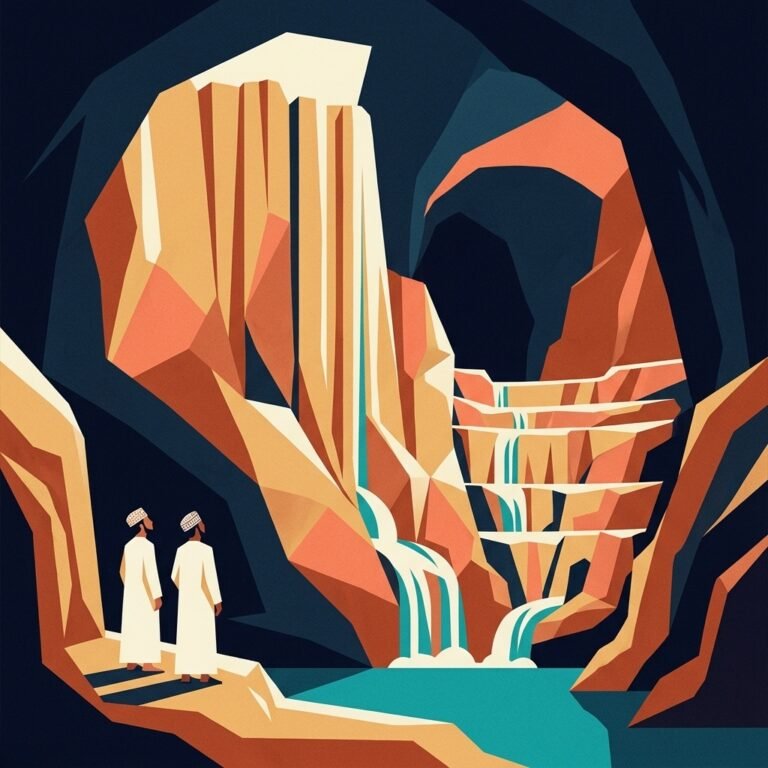
The mountains of Al Jabal Al Akhdar and Jabal Shams offer spectacular natural landscapes and opportunities for adventure tourism. Salalah, particularly during the Khareef season, attracts visitors with its green mountains, waterfalls, and distinctive seasonal climate.
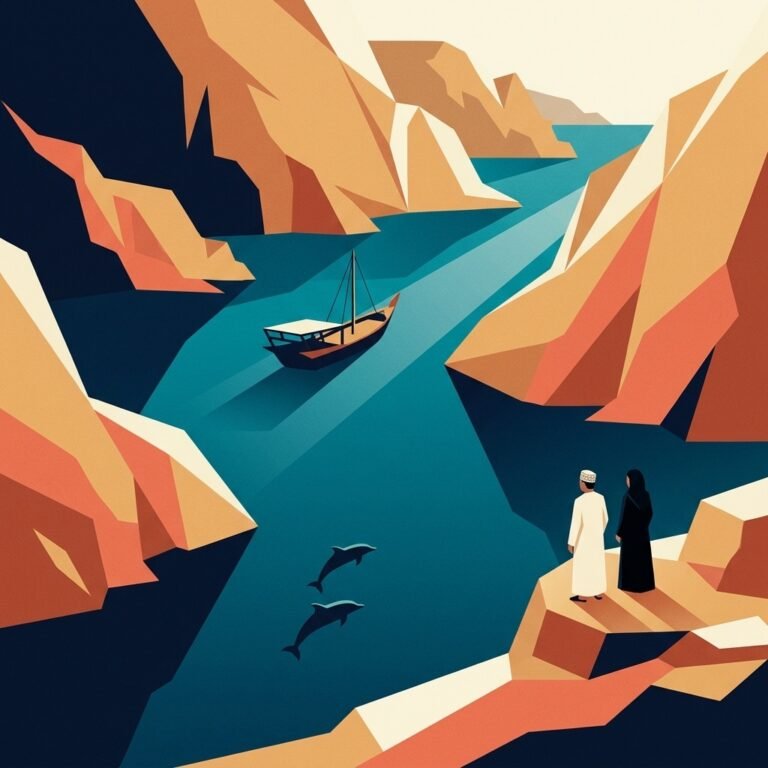
Oman’s beaches, deserts, wadis, and traditional villages provide further opportunities for nature-based, cultural, and adventure tourism.
For Uzbek visitors, Oman offers an opportunity to experience the Arabian Peninsula through its natural beauty, cultural identity, and welcoming hospitality.
Direct Air Connectivity: A New Opportunity
Air connectivity is a fundamental factor in developing tourism between the two countries.
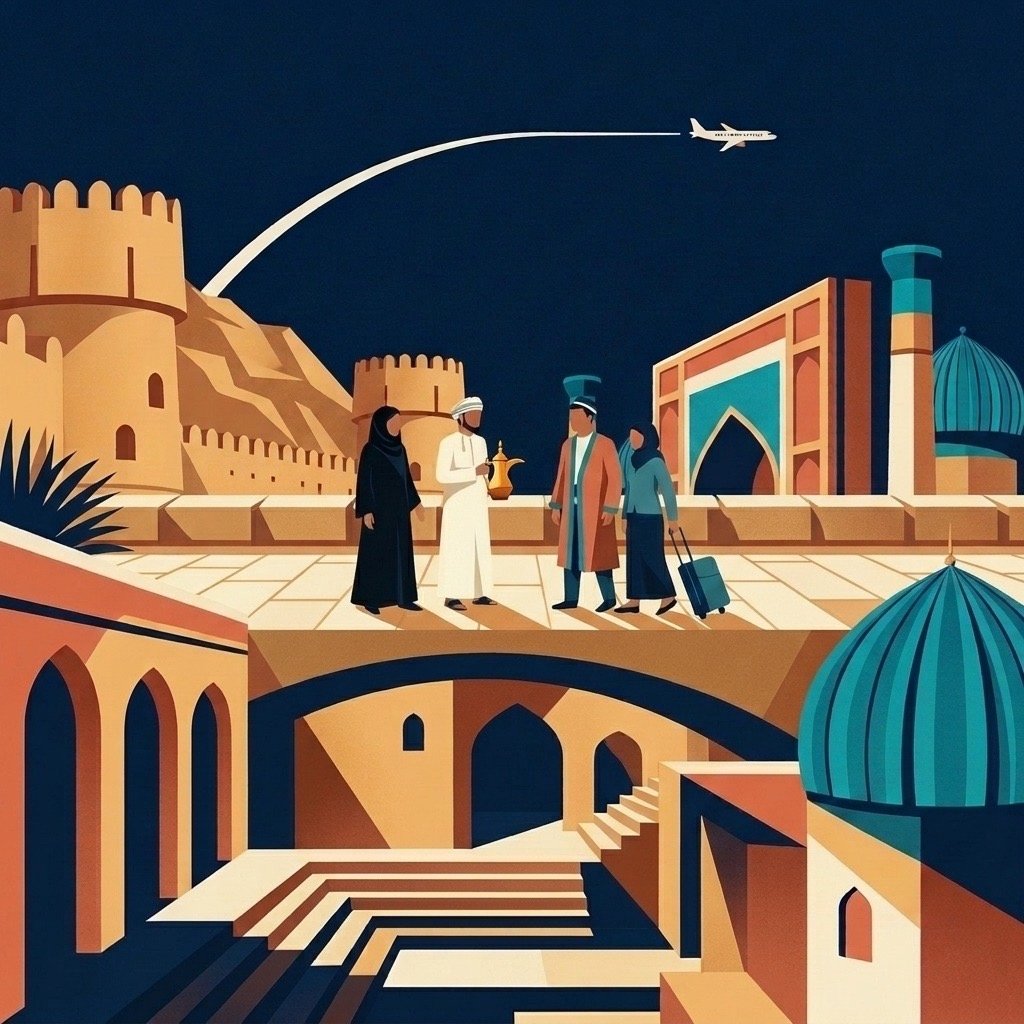
The introduction of direct air services between Muscat and Tashkent in 2026 represents an important development in facilitating travel and strengthening people-to-people connections.
Improved air connectivity can encourage tourism companies to develop joint travel packages, facilitate family travel, support business visits, and attract visitors interested in exploring both destinations.
It can also contribute to the development of combined regional tourism programmes connecting Oman with Uzbekistan and other destinations in the Gulf and Central Asia.
Opportunities for Tourism Investment
Beyond increasing visitor numbers, tourism cooperation offers opportunities for investment and commercial partnerships.
Potential areas include:
- Hotel and resort development.
- Tourism infrastructure and destination management.
- Travel agencies and tour operator partnerships.
- Cultural and heritage tourism programmes.
- Adventure and eco-tourism.
- Hospitality training and professional development.
- Digital tourism marketing and reservation platforms.
Omani investors can explore opportunities in Uzbekistan’s expanding hospitality and tourism sectors, while Uzbek tourism companies can develop partnerships with Omani operators to promote Oman as a destination for Central Asian travellers.
Cultural and Religious Tourism
One particularly attractive area of cooperation is the development of cultural and Islamic heritage tourism.
Both countries possess important Islamic historical sites, architectural landmarks, and traditions that can attract visitors interested in religious history and civilisation.
Joint cultural festivals, exhibitions, educational visits, and heritage programmes could strengthen mutual understanding and promote tourism beyond conventional holiday travel.
Universities, museums, cultural institutions, and tourism organisations can play an important role in these initiatives.
Developing Joint Tourism Programmes
A practical way to expand tourism cooperation would be to establish joint tourism promotion initiatives between the relevant authorities and private-sector organisations.
These could include:
- Joint participation in international tourism exhibitions.
- Familiarisation trips for tourism companies and media representatives.
- Special travel packages for Omani visitors to Uzbekistan.
- Promotional campaigns targeting Uzbek travellers interested in Oman.
- Cooperation between hotels, airlines, and tour operators.
- Training and knowledge exchange in sustainable tourism management.
The development of family-friendly tourism programmes, cultural itineraries, and competitive travel packages would further strengthen the attractiveness of both destinations.
Towards a Stronger Tourism Partnership
Oman and Uzbekistan have an opportunity to transform their historical and cultural similarities into a modern tourism partnership.
By improving air connectivity, encouraging tourism investment, supporting private-sector cooperation, and promoting their unique attractions, both countries can increase tourism exchanges and generate wider economic benefits.
Tourism should therefore be viewed not only as an economic activity, but also as a bridge connecting societies, cultures, and people.
Through sustained cooperation, Oman and Uzbekistan can establish a growing tourism relationship that highlights their shared heritage while introducing visitors to the distinctive beauty and cultural identity of each country.