Henna in Eid: A Cherished Tradition in Oman
Henna, made from the plant Lawsonia inermis, is an important part of cultural traditions across many regions. However, in Oman, its significance becomes especially clear during Eid celebrations, where it plays a central role in expressing joy, beauty, and togetherness.
As Eid approaches, Omani homes fill with excitement and preparation. Among these preparations, applying henna is one of the most beloved traditions, especially for women and girls. On the night before Eid, often called “the night of henna,” families gather as mothers, daughters, and relatives sit together to decorate their hands and feet with beautiful designs. This moment is not only about beauty but also about bonding and sharing happiness.
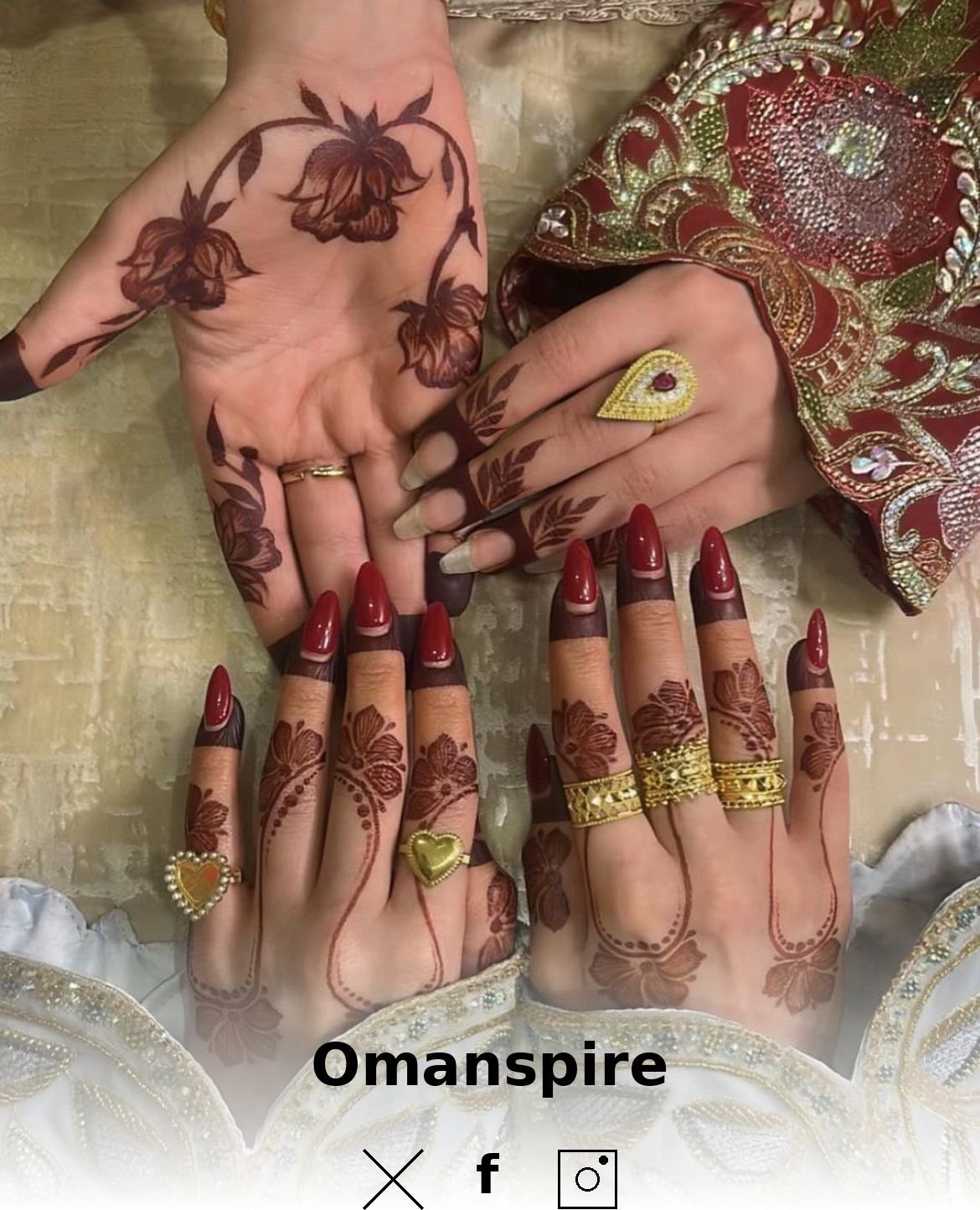
In Oman, henna designs during Eid are usually elegant and meaningful. Some women prefer traditional patterns such as floral shapes, dots, and symmetrical lines, while others choose more modern and detailed styles. Young girls often enjoy simpler and playful designs, making the experience fun and memorable for them. The deep reddish-brown color that appears after the henna dries is considered a symbol of celebration and femininity.
Henna during Eid is not limited to decoration—it reflects the spirit of the occasion. Eid is a time of joy, generosity, and renewal, and wearing henna adds to the festive atmosphere. Just like wearing new clothes and preparing special foods, applying henna is part of getting ready to welcome the holiday with happiness and pride.
In Omani society, the act of applying henna during Eid also strengthens family ties. Women gather in groups, share stories, laugh, and sometimes sing traditional songs while waiting for the henna to dry. This creates a warm and joyful environment that reflects the true meaning of Eid: unity and celebration.
Despite modern changes and the availability of ready-made henna cones and salons, many families in Oman still value the traditional way of preparing and applying henna at home. This helps preserve cultural heritage and pass it on to younger generations.
In conclusion, henna during Eid in Oman is more than just a beauty practice. It is a meaningful tradition that brings people together, enhances the festive spirit, and reflects the rich cultural identity of the country. It remains a symbol of joy, celebration, and continuity across generations.