While the noise of geopolitical conflict has dominated headlines across the Middle East, the Sultanate of Oman has played a remarkably different role—one defined not by military intervention or loud rhetoric, but by quiet, steady diplomacy. For decades, Muscat has served as an unassuming bridge between adversaries, hosting back-channel talks and maintaining open lines of communication with all parties.
This “quiet power” has proven to be an invaluable asset for a region often fractured by war. By refusing to take sides in sectarian conflicts, Oman has provided a neutral ground for prisoner swaps between the US and Iran, facilitated dialogues in Yemen, and offered a sanctuary of stability when its neighbors were under strain. But Oman’s contribution to regional well-being is no longer solely diplomatic. Today, a parallel transformation is underway—one measured in concrete, steel, and long-term industrial strategy.
From Mediator to Economic Anchor
Stability, as Oman has long understood, is not just the absence of war; it is the presence of opportunity. As conflicts disrupted traditional supply chains and trade routes elsewhere in the region, Oman doubled down on a different kind of power: economic integration.
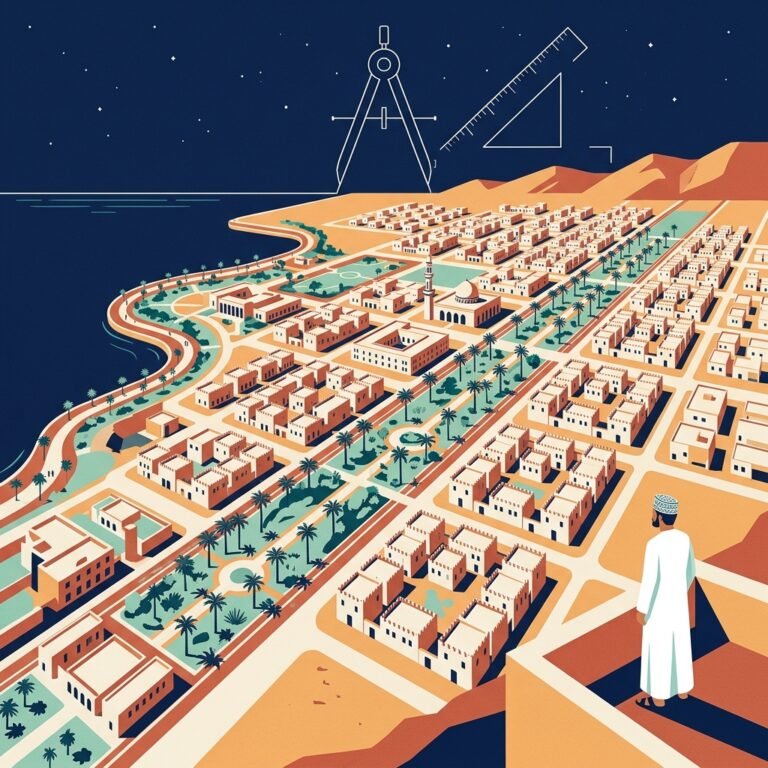
The results are now visible across its special economic zones (SEZs), free zones, and industrial cities. These are not merely collections of warehouses and factories; they are emerging as fully integrated production and export platforms. In the past year alone, fresh investments crossing the OMR 1.4 billion mark have poured into these zones. The total committed investment now stands at a striking OMR 22.4 billion—a 6.8% increase from the previous year.
This growth signals more than just financial optimism. It reflects a growing international trust in Oman’s ability to offer a secure, predictable environment for capital, even as wars rage just across the water.
The Cluster Strategy: Building More Than Real Estate
What sets Oman’s approach apart is its refusal to treat these zones as generic industrial parks. Instead, the Public Authority for Special Economic Zones and Free Zones (OPAZ) has pursued a model of specialized “economic clusters.” Each zone is being developed according to its unique competitive advantages.
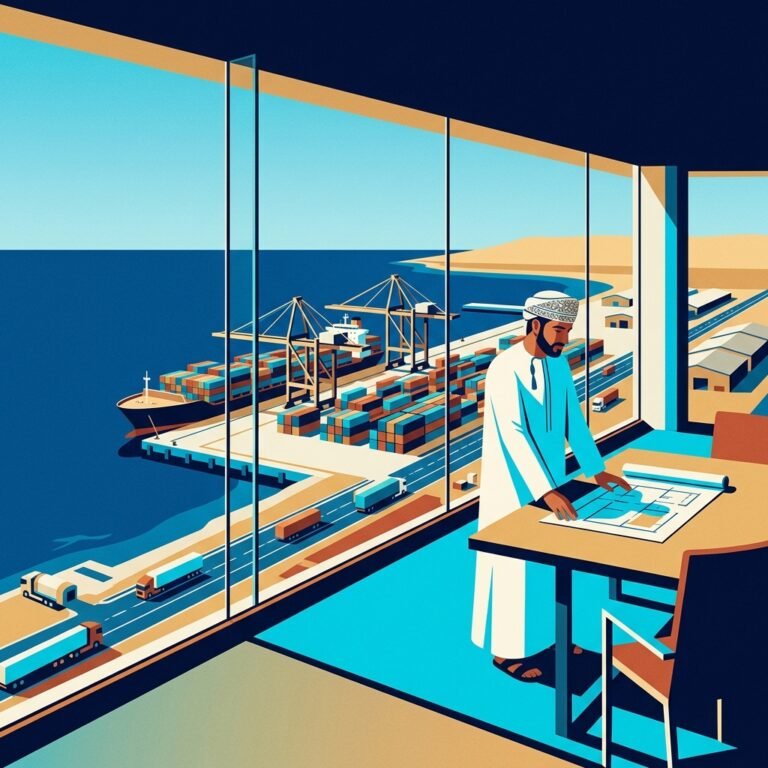
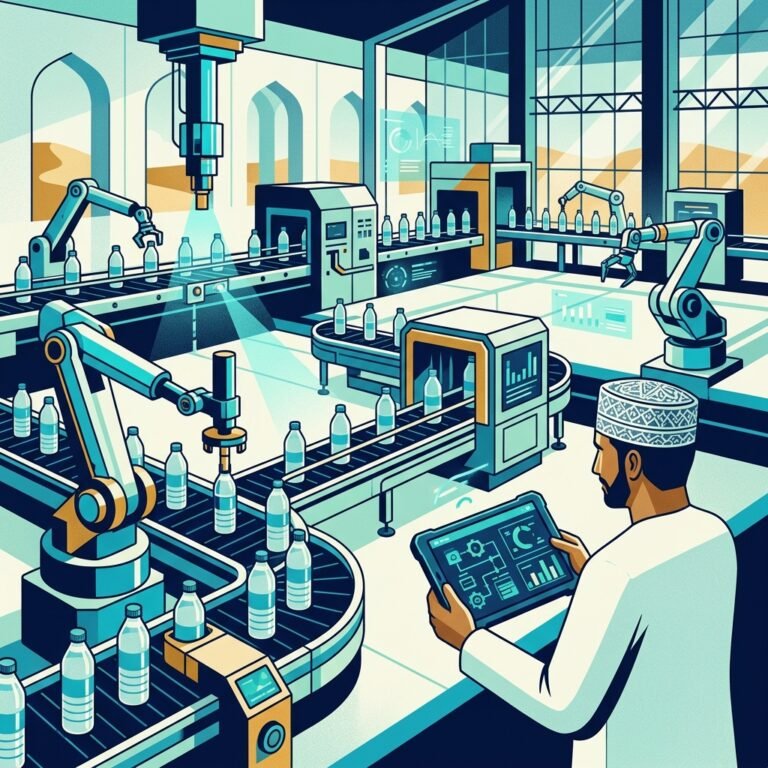
Consider the Special Economic Zone at Duqm, strategically located on the Arabian Sea. It is no longer just a future port city; it is becoming a hub for heavy manufacturing and green hydrogen production, with strategic projects already underway for wind turbine assembly. Meanwhile, the Sohar Free Zone is rapidly transforming into a center for solar energy manufacturing, producing cells and modules that serve both local and export markets.
This deliberate shift toward renewable energy and clean tech value chains shows a deep understanding of where the global economy is headed. Oman is positioning itself not just as a destination for investment, but as a node in the future low-carbon supply chain.
A Legislative Shield and Digital Sword
None of this would be possible without a supportive legal framework. The issuance of the Law of Special Economic Zones and Free Zones under Royal Decree No. (38/2025) has unified previously fragmented regulations, streamlined procedures, and created a more agile environment for strategic projects. Oman’s recent membership in the World Free Zones Organization (World FZO) further signals its commitment to adopting global best practices.
Yet the real competitive edge may be digital. Officials in Muscat recognize that competitiveness today is determined less by geography and more by speed of execution. Digital transformation initiatives and mature e-services have drastically cut red tape, making Oman one of the more efficient places in the region to register and operate a business.
Investing in People, Not Just Projects
The quiet power of Oman’s model also lies in its attention to social sustainability. Economic diversification is meaningless if it does not touch the lives of ordinary citizens. Over the past year, 4,467 new jobs were created for Omanis within these zones, raising total national employment in the sector to more than 30,000, with an Omanisation rate of 36%.
Innovative programs—such as the “Experiences” Initiative, which taps the expertise of retired national professionals—demonstrate a clear intent to blend local knowledge with new economic activity. Furthermore, a requirement that 10% of project works be allocated to small and medium enterprises (SMEs) ensures that the benefits of growth flow down to local entrepreneurs, not just foreign investors.
The Path Forward
As the region continues to navigate uncertainty, Oman’s dual strategy of quiet diplomacy and bold economic clustering offers a compelling alternative model. With access to over two billion consumers through a network of trade agreements and partnerships with major global powers, the Sultanate has turned its historical position as a crossroads into a tangible competitive advantage.
The OMR 22.4 billion in committed investment is not merely a statistic. It is a sign of institutional maturity—a reflection that Oman is no longer just attracting capital, but redefining its role in shaping the economic future of the region. While wars make headlines, Oman is quietly building the infrastructure of peace: jobs, energy, and shared prosperity.