Empowering Oman’s Food Security: Successful Grape Cultivation Project Blossoms in Tanuf, Nizwa

Empowering Oman’s Food Security: Successful Grape Cultivation Project Blossoms in Tanuf, Nizwa

Written by: Atefa Saleh

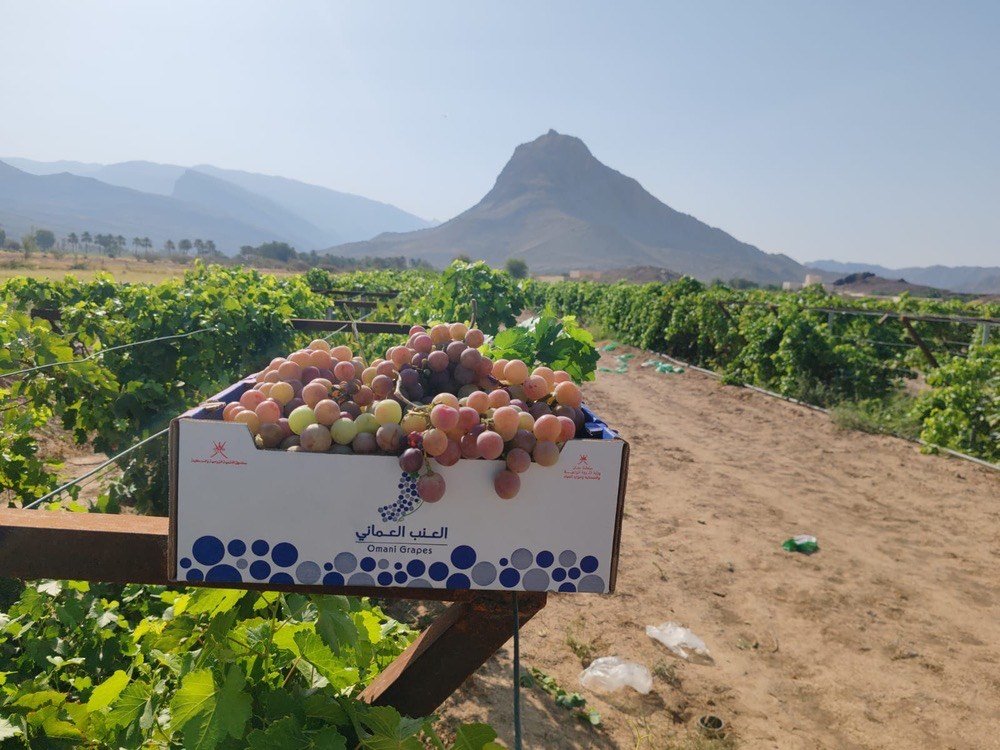
A thriving grape farming project in Tanuf, Wilayat Nizwa is reinforcing Oman’s food security goals while boosting local agricultural production. Supported by the Ministry of Agriculture, Fisheries, and Water Resources, the project benefits from continuous technical guidance to ensure quality and sustainability.

Key Highlights

  • Location: Tanuf village, Wilayat Nizwa, Al Dakhiliyah Governorate, Oman.
  • Support: Backed by the Ministry of Agriculture, Fisheries, and Water Resources with technical guidance and follow-up.
  • Cultivation Area: 1.5 acres with plans for expansion.
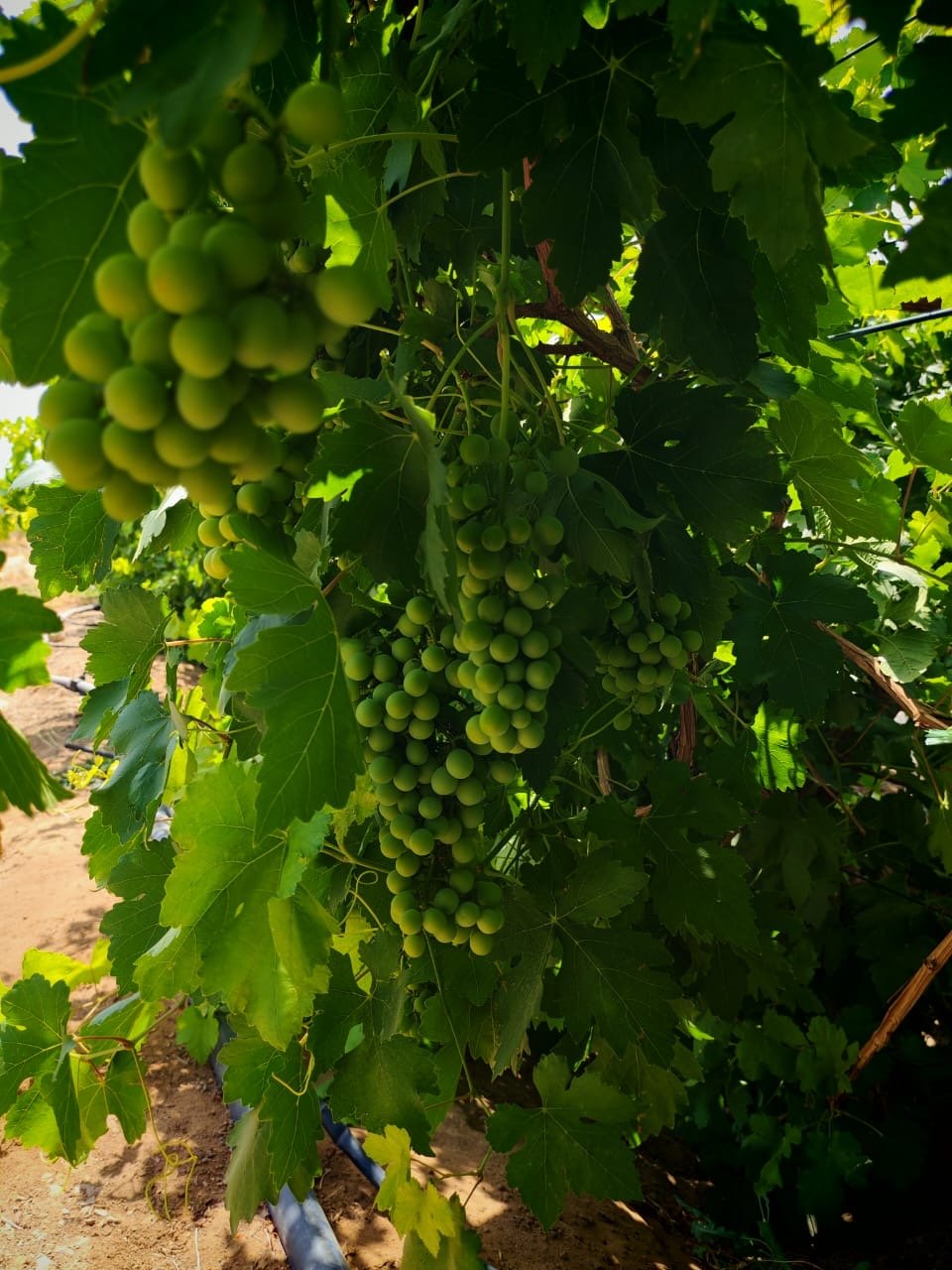
  • Saplings: 1,000 carefully selected grape saplings to meet local market needs.
  • Production: Around 3 tonnes of high-quality grapes produced this season, with higher yields expected next season.
  • Investment: Over OMR 16,000 invested in modern irrigation, trellis systems, nurseries, and management infrastructure.
  • Sapling Sources: Imported from Syria, Lebanon, Italy, Spain, and Finland for quality and climate adaptability.
  • Sales: Grapes sold at OMR 2 per kilogram through local retailers, supporting local markets.
  • Economic Impact: Creates job opportunities while supporting Oman’s food security and agricultural diversification goals.
Future Plans

  • Doubling the cultivated area.
  • Introducing improved grape varieties.
  • Developing modern sorting and packaging facilities.
  • Investing in grape processing (juice, raisins, grape products) for added value and future exports.

Why Tanuf?

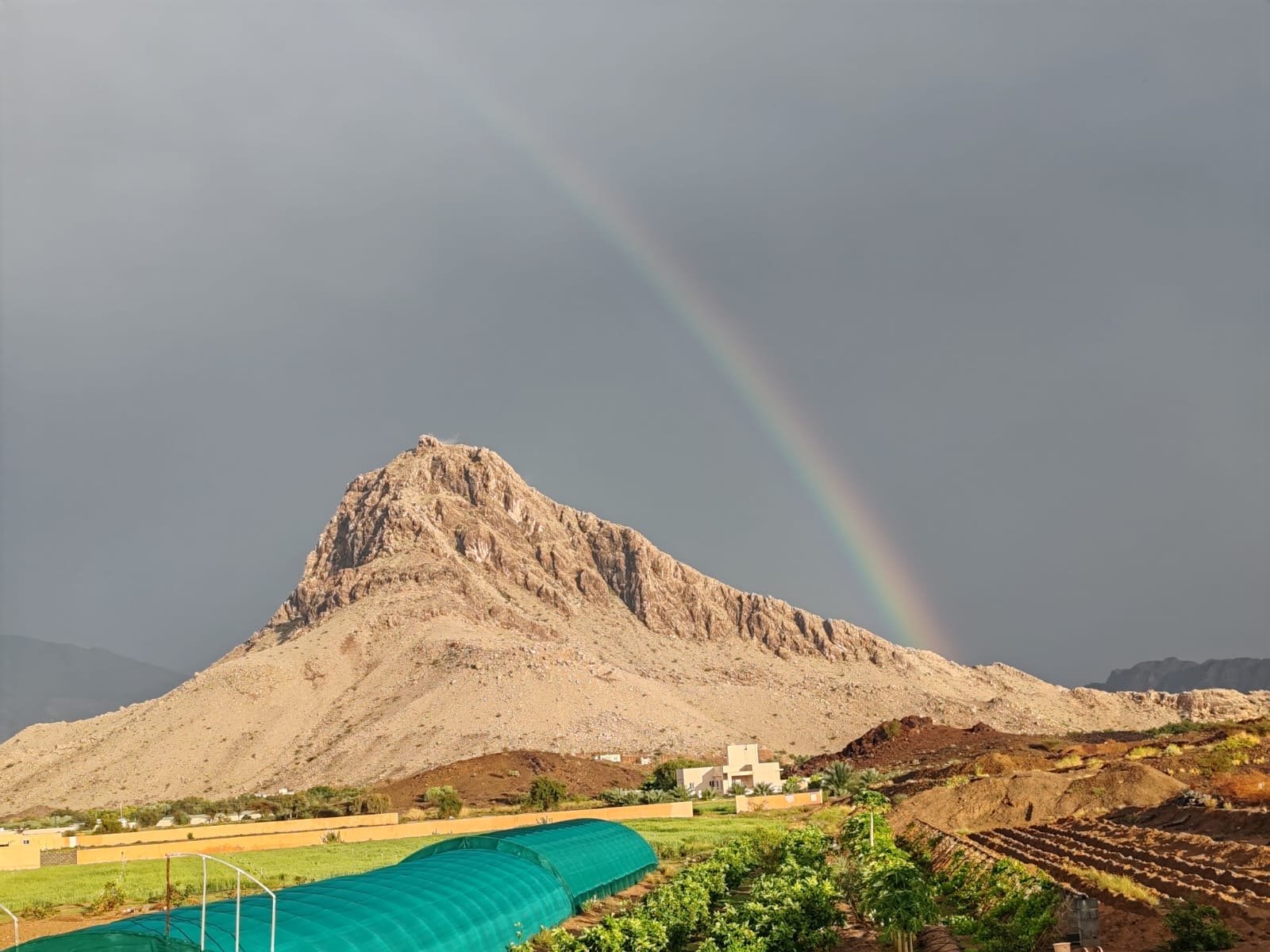
Tanuf’s fertile soil and favorable climate have positioned it as one of Oman’s leading grape-producing regions, enabling the cultivation of various grape varieties known for their high quality and
Contributing to Oman Vision 2040

This successful grape cultivation project aligns with Oman Vision 2040, focusing on:

  • Sustainable agricultural practices.
  • Food security and local production.
  • Economic diversification.
  • Value-added agricultural industries.
Ahmed Al Harthi

BSc in Software Engineering with Multimedia and Masters of Business Administration in Project Management. Ahmed works as an IT manager and content creator at Omanspire.

You might also like:

France and Oman: A Partnership Quietly Growing Deeper

France and Oman: A Partnership Quietly Growing Deeper

On April 15, the foreign ministries of Oman and France sat down in Paris for what they called the first round of their Strategic Dialogue — a formal, institutionalised conversation between two countries whose partnership, for all its depth, rarely makes headlines....

How Oman Became the Region’s Steady Logistics Gateway in 2026

How Oman Became the Region’s Steady Logistics Gateway in 2026

MUSCAT — As maritime disruption rippled through the Strait of Hormuz and the wider region in 2026, Oman found itself in an unfamiliar but increasingly important role: the steady hand. While neighboring shipping lanes faltered and global carriers searched for...