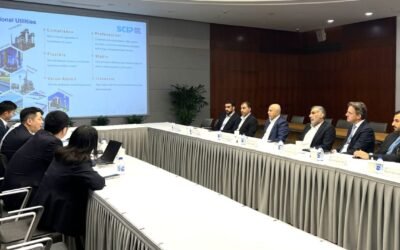
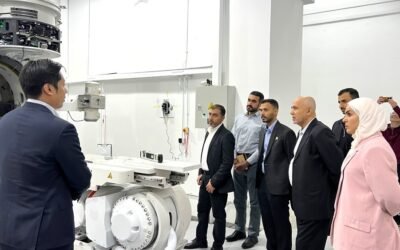
At a time when global economic influence is being reshaped, the partnership between Oman and Angola is emerging as a distinctive model of South–South cooperation. This relationship goes beyond traditional trade, aiming to build an integrated ecosystem of finance, investment, and logistics.
Rather than a coincidence, this alliance represents a long-term strategic project reconnecting Africa’s natural resources with Middle Eastern capital and regulatory expertise—placing Muscat and Luanda on a shared trajectory toward 2050.
🔗 Strategic Vision: From Alignment to Structured Partnership
The economic relationship between Oman and Angola is driven by a clear alignment between two national visions:
• Oman Vision 2040, which focuses on economic diversification and global investment expansion
• Angola Vision 2050, which aims to reduce oil dependency and build sustainable productive sectors
This alignment has evolved into a deeper framework—moving from bilateral cooperation to institutionalized partnership models that manage capital flows and trade between the Gulf and Africa.
Within this framework:
• Oman is positioned as a financial bridge, exporting governance standards and investment frameworks to African markets.
• Angola serves as a strategic Atlantic gateway, connecting global trade routes with the African interior.
Together, this integration could give rise to a new economic pole based on complementarity rather than competition—blending Africa’s resource wealth with Gulf financial and regulatory expertise.
📊 Macroeconomic Landscape & Fiscal Policies (2026–2030)
This partnership operates within a dynamic economic environment filled with both opportunities and challenges.
• Angola’s economy is projected to grow by approximately 3% in 2026.
• However, it remains highly sensitive to oil price fluctuations, with oil accounting for nearly 95% of export revenues.
Fiscal Outlook:
• Expected fiscal deficit: 2.8% in 2026
• Transition to a surplus: 0.6% by 2028
• Based on an estimated oil price of $61 per barrel
Both countries are also working toward:
• Reducing public debt to below 60% of GDP
• Expanding fiscal space for development projects
• Prioritizing investments in infrastructure and tourism sectors
🚀 Why This Partnership Matters
This Oman–Angola collaboration reflects a broader shift in global economics—where emerging markets are no longer passive participants but active architects of new economic systems.
By integrating capital, logistics, and governance, this partnership has the potential to redefine how South–South cooperation operates in the 21st century.