Oman’s Vital Role in Peacebuilding: A Beacon of Stability for the Middle East
Discover how Oman’s unique diplomacy, acting as a neutral mediator for talks like Iran-U.S. negotiations in Muscat,
makes it a cornerstone of regional stability and peacebuilding efforts.
In a region often defined by tension, Oman stands out as a beacon of stability and a master of discreet diplomacy.
Recent high-level engagements in Muscat have underscored the Sultanate’s indispensable role in de-escalating conflicts
and fostering dialogue. This article explores Oman’s vital role in peacebuilding, examining the diplomatic principles
that make it a trusted mediator and a stabilizing force for the entire Middle East.
The Omani Mediation Model: Calm, Wisdom, and Measured Speech
At the heart of Oman’s success is a distinctive diplomatic style praised by international partners. Officials,
including His Excellency Sayyid Badr bin Hamad Al Busaidi, Oman’s Foreign Minister, exemplify a leadership quality
that prioritizes dialogue over confrontation. This approach is characterized by:
- Calm Diplomacy: Avoiding inflammatory rhetoric to create space for negotiation.
- Measured Language: Ensuring communications clarify positions without closing doors.
- Credible Hosting: Providing a serious, conducive environment for talks.
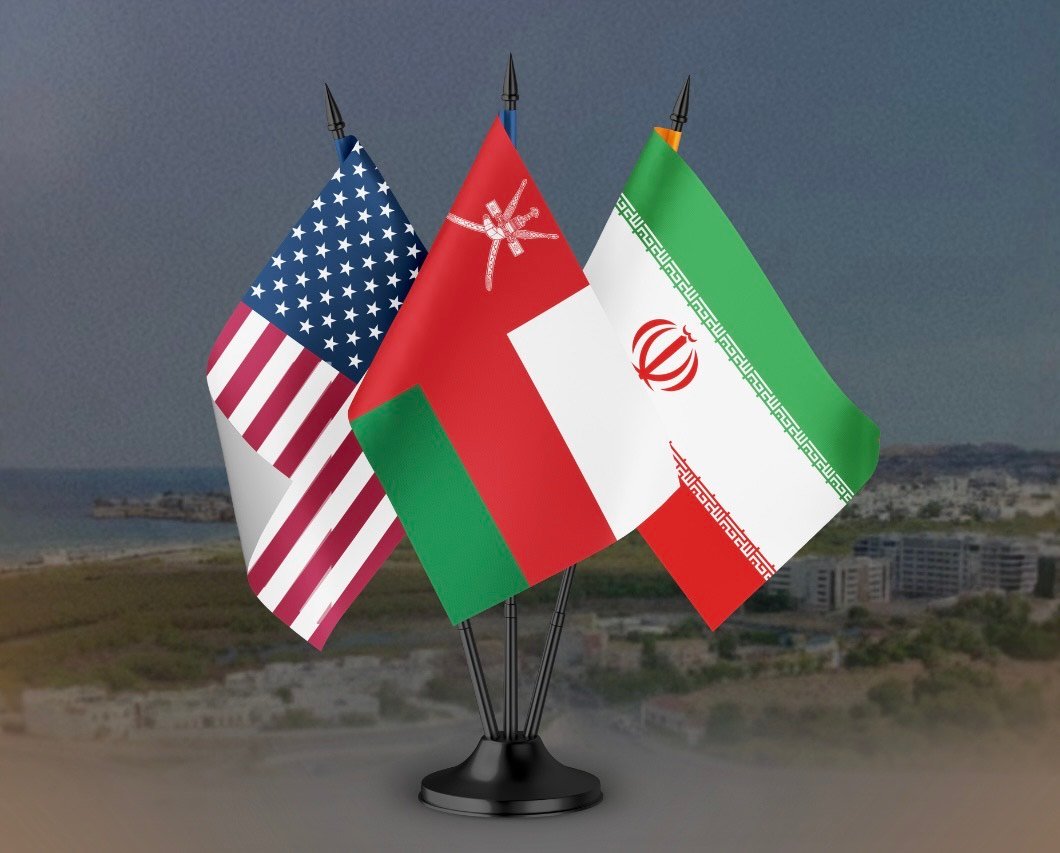
A prime example is the Oman-hosted talks between Iran and the United States. These discussions, described as serious
and constructive, demonstrate how Muscat’s environment fosters genuine diplomacy over brinkmanship, allowing parties
to explore progress on critical issues.
Why Muscat is the Ideal Neutral Ground
Oman’s effectiveness stems from its unique geographic and political position. It maintains balanced relationships
across regional divides, allowing it to serve as a truly neutral venue. The benefits of negotiations in Muscat include:
- Confidentiality: A low-pressure setting where sensitive issues can be addressed discreetly.
- Absence of External Pressure: Parties can engage on core issues without public posturing or
third-party interference. - Regional Trust: Explicit praise from nations such as the UAE, Kuwait, Egypt, and Jordan
acknowledges Oman’s contribution to regional security.
Broader Impact: Stabilizing Dialogue and Building Regional Trust
The Iran-U.S. talks in Oman symbolize more than bilateral engagement. They represent a broader regional commitment
to dialogue as a pathway to peace. Oman’s mediation has a ripple effect:
- Reducing Misperceptions: Facilitating communication helps dismantle stereotypes and misinformation.
- Incremental Trust-Building: Each successful dialogue strengthens broader regional trust.
- Creating Space for Consensus: Identifying common ground on nuclear issues, security concerns,
and regional tensions helps prevent escalation.
Positive Outcomes and Enduring Potential
Positive sentiment from participants, including Iran’s foreign ministry, underscores the success of the Omani model.
Oman is praised for facilitating practical arrangements and a focused environment that makes substantive talks possible.
While challenges remain, the “Muscat process” demonstrates that patient, consensus-based diplomacy can yield meaningful
engagement even among parties with deep-rooted disagreements. It shifts the focus from zero-sum outcomes to managed stability.
Why Oman’s Approach is Essential for Regional Peace
- Promotes Consensual Solutions: Supports regional stability through predictable frameworks.
- Drives De-escalation Through Dialogue: Helps cool tensions before they escalate into conflict.
- Balances Discretion with Visibility: Manages private negotiations and public diplomacy effectively.
Looking Ahead: Oman’s Diplomatic Blueprint for the Future
The sustained commitment to hosting talks in Muscat reflects Oman’s long-term diplomatic vision. As global actors
seek pathways to peace, Oman’s role as a stabilizing force remains essential. Its model offers a replicable blueprint
for resolving complex disputes through calm leadership, wise mediation, and the steady provision of neutral ground.