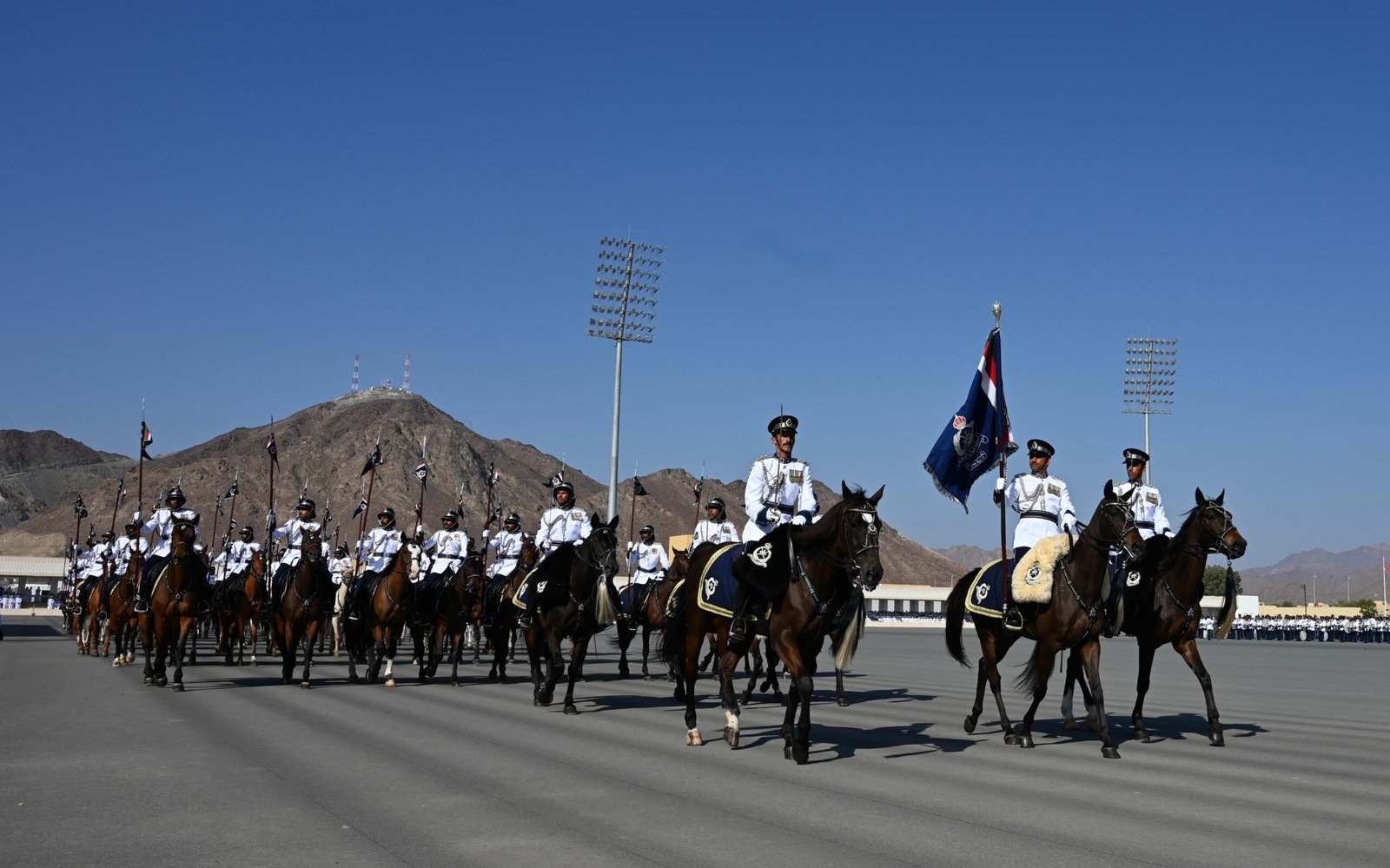
In Oman, horses are more than animals; they are symbols of heritage, honor, and royal legacy. For centuries, the noble Arabian breed has galloped across Oman’s deserts and royal palaces, embodying strength, loyalty, and grace.
The Al Said family, Oman’s ruling dynasty, has a long history of cherishing horses. Sultan Qaboos bin Said, known for his passion for Arabian horses, housed some of the finest breeds in his royal stables. These horses reflect the country’s reverence for its equestrian heritage.
Arabian horses, famed for their endurance and beauty, were once crucial in military campaigns, providing speed and strength for cavalry units. Today, they shine in equestrian competitions like the Royal Horse Races and festivals such as the Rahal in Muscat, celebrating Oman’s equestrian traditions.
Breeding Arabian horses is a time-honored practice in Oman. The royal stables preserve prized bloodlines, ensuring these majestic animals continue to thrive in harsh desert conditions, symbolizing the resilience of the Omani spirit.
Horses are woven into the fabric of Omani culture. They appear in literature, art, and folklore, representing not just physical strength but spiritual loyalty. Whether at royal events or in rural communities, Oman’s enduring bond with horses is a cornerstone of its heritage and pride.

![[economy] Oman Regulates Electric Vehicle Charging Tariffs to Accelerate Zero-Emission Mobility](https://omanspire.om/wp-content/uploads/2026/09/economy-oman-regulates-electric-vehicle-charging-tariffs-to-accelerate-zero-emission-mobility-768x768.jpg)