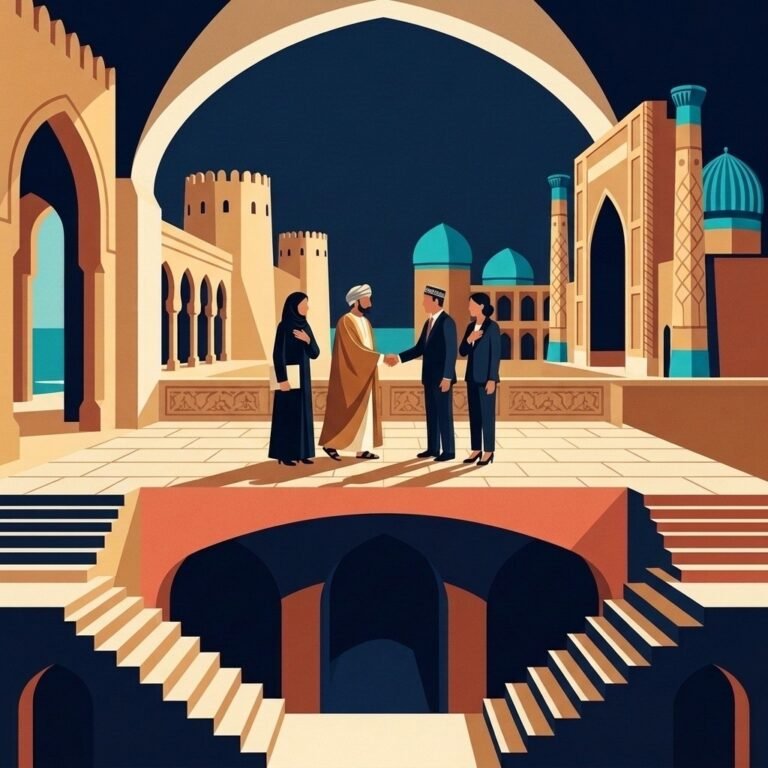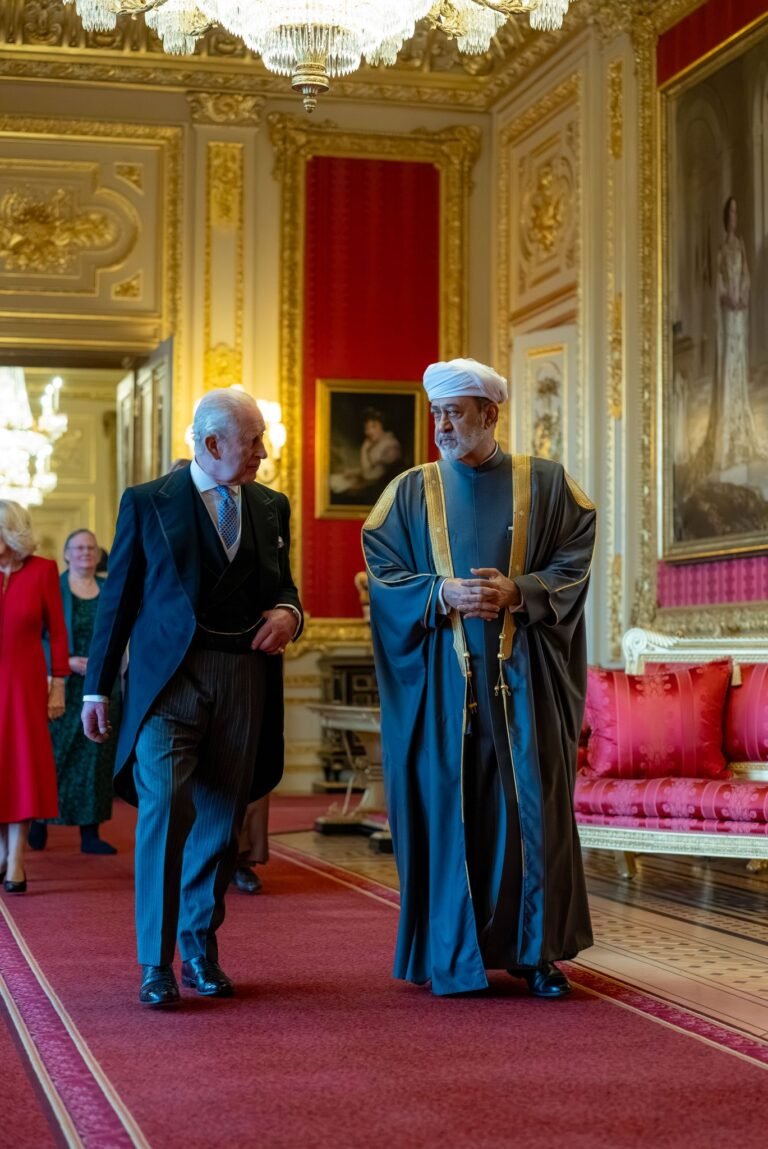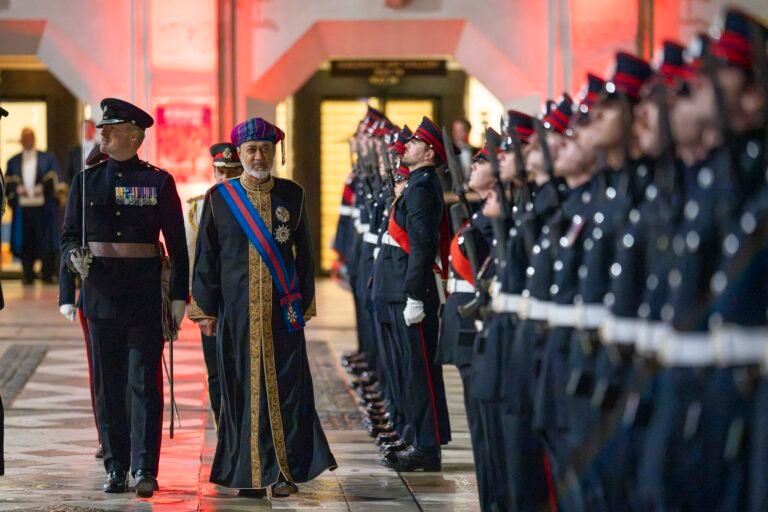
Two hundred and eighty-two years before flags went up across Oman’s highways this November, a merchant-governor held the coastal walls of Sohar through a nine-month siege and brought rival inland tribes together at Rustaq.
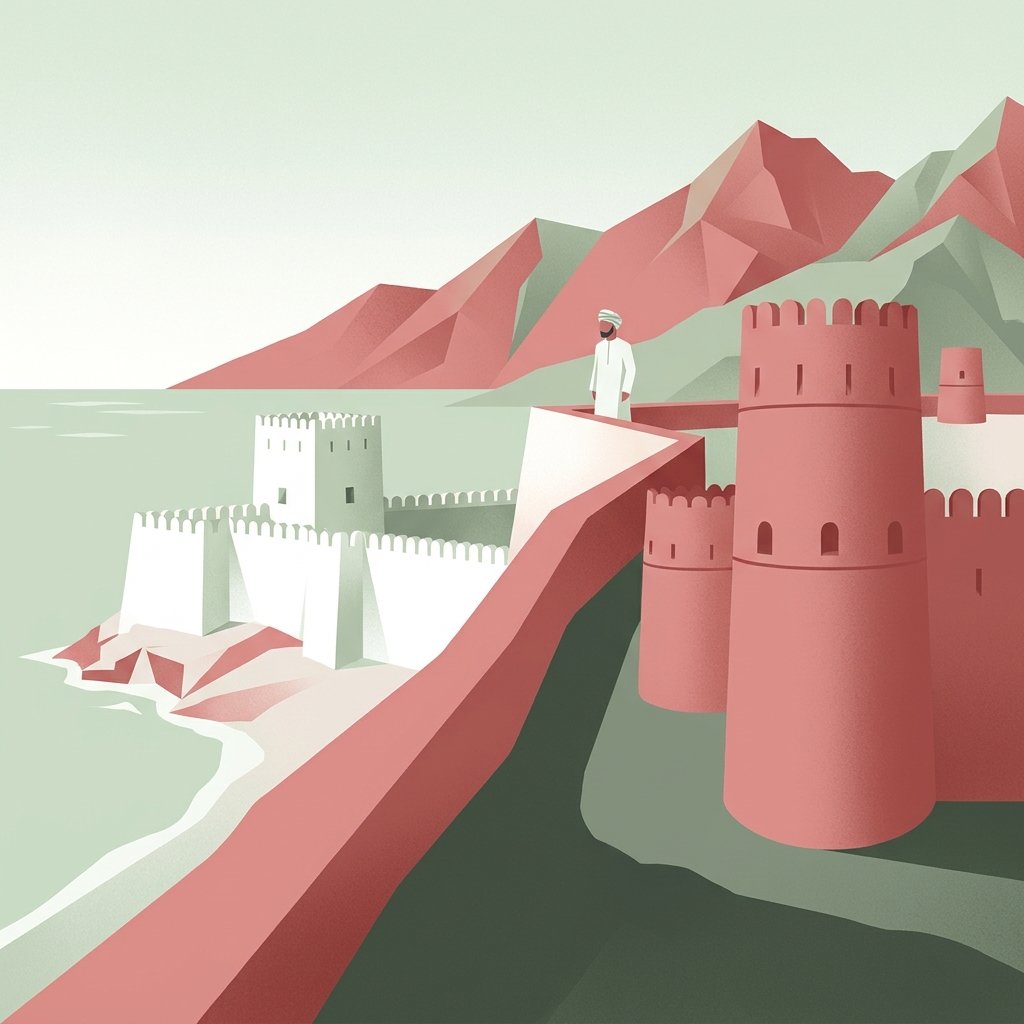
Walk along the waterfront in Sohar just before sunset in mid-November, and the lime-plastered walls of Sohar Fort catch the last pale light off the Sea of Oman. Red, white, and green pennants move in the coastal breeze above families strolling the corniche. For the second year since His Majesty Sultan Haitham bin Tarik issued Royal Decree No. 15/2025 in January 2025, Omanis are marking National Day on November 20 and 21—a date that reaches past living memory to a decisive autumn in 1744.
For more than five decades, November 18 was familiar to every household in the Sultanate, tied to the birthday of the late Sultan Qaboos bin Said and the modern Renaissance that began in 1970. Moving the official observance to November 20 shifted the calendar from a single ruler’s birth date to the institutional birth of the Al Busaidi state itself, founded 282 years ago by Imam Ahmed bin Said Al Busaidi. Understanding why that date carries such weight starts between an interior oasis town, a besieged northern port, and a mountain-rimmed fortress in Rustaq.
From the Lanes of Adam to the Port of Sohar
Ahmed bin Said Al Busaidi was born around 1694 in Adam, an oasis town on the southern edge of Ad Dakhiliyah where falaj channels fed date gardens at the threshold of the desert. Nothing about his early years suggested a royal court. Coming from the Al Busaid tribe, he started out in domestic trade before moving north to the bustling Batinah port of Sohar, where merchant dhows loaded dates, copperware, horses, and dried limes for ports across the Gulf and Western India.
In Sohar, commercial reputation mattered as much as lineage. Captains, warehouse owners, and inland caravan leaders learned that Ahmed bin Said kept his word on weights, credit, and safe passage. That steadiness caught the attention of the struggling Yarubid ruler Saif bin Sultan II, who appointed him governor (wali) of Sohar and its surrounding coast in the late 1730s.
At the time, Oman was exhausted. Nearly twenty years of civil conflict between the Hinawi and Ghafiri tribal coalitions had fractured the Yarubid Imamate, emptied town treasuries, and left coastal harbors exposed. Worse followed when Saif bin Sultan II appealed to the Persian ruler Nader Shah for military backing against domestic rivals. Persian regiments under commander Taqi Khan landed on the Omani coast, seized Muscat’s harbors, and occupied key towns rather than departing as allies.
Nine Months Behind the Whitewashed Ramparts
When Persian land and naval forces turned north to subdue Sohar around 1743, they expected another swift capitulation. Instead, they met a port prepared for a long winter. Inside Sohar Fort, Ahmed bin Said had stockpiled grain, dates, and well water, organized local townsmen alongside interior fighters, and repaired the seaward ramparts facing Persian artillery.
For nine months, Sohar held out under bombardment from both land batteries and warships anchored offshore. Omani chronicles, including Imam Nur al-Din al-Salimi’s Tuhfat al-A’yan bi-Sirat Ahl ‘Uman, record the discipline required to ration food and powder when relief columns could barely reach the gates. Rather than risking his garrison in reckless sorties, the governor wore down the besiegers’ supply lines along the Batinah plain until Taqi Khan’s camp faced mounting casualties and desertions.
By the ninth month, the Persian commander sought terms. Under the negotiated truce, the siege was lifted while Ahmed bin Said retained full authority over both Sohar and the coastal town of Barka. Across Oman’s fragmented interior, news traveled quickly: while rival claimants had fought one another or invited foreign troops ashore, the merchant-governor of Sohar had stood firm and forced an imperial army to the table.
Consensus at Rustaq on November 20, 1744
Holding a port was one test; uniting a weary country was another. Operating between Sohar and the coastal market town of Barka, Ahmed bin Said cut off remaining foreign garrisons from local provisions until the last occupying units withdrew from Omani soil. With external rule broken, scholars, judges, and tribal elders looked for leadership capable of keeping the peace without reopening old factional wounds.
That search converged on Rustaq, the historic inland capital set against the dark rock of the Western Hajar mountains. Inside Rustaq Fort—with its four massive sarooj-plastered watchtowers and active falaj running beneath its courtyards—elders and scholars met to choose an Imam who commanded trust on both the coast and the interior plains. On November 20, 1744, consensus settled on Ahmed bin Said Al Busaidi, founding the Al Busaidi state that has governed Oman continuously into the present century.
From Rustaq, the new Imam rebuilt the practical machinery of a state. He appointed walis and qadis (judges) across the regions, standardized port customs in Muscat and Sohar so merchants returned without fear of arbitrary seizure, and assembled a permanent naval squadron alongside the traditional tribal levy. Within a generation, Omani square-rigged ships and baghlah dhows were once again carrying frankincense, dates, and textiles from Basra to Surat and down the Swahili Coast.
A Long Measure of Statehood
Two centuries and eight decades later, that sequence of events explains why November 20 feels grounded to Omani historians and ordinary families alike. Royal Decree No. 15/2025 placed Oman’s national holiday on a moment earned through civic endurance, practical negotiation, and reconciliation across regional divides.
When streetlights glow red, white, and green from Khasab to Salalah on November 20 and 21—and as families head out across the country during the late-November holiday break—the calendar points back to a real place you can still walk through in half an hour. Stand beneath the high earthen towers of Rustaq Fort or look out from the whitewashed keep of Sohar toward the open sea, and the distance between 1744 and 2026 feels remarkably short.