Oman’s Industrial Exports Reach OMR 3.6 Billion as New Economic Zones Take Shape
From factory floors in Sohar and Salalah to four newly planned industrial cities in Al Mudhaibi, Al Suwaiq, Thumrait, and Madha, non-oil manufacturing now accounts for nearly two-thirds of Oman’s non-oil export trade.
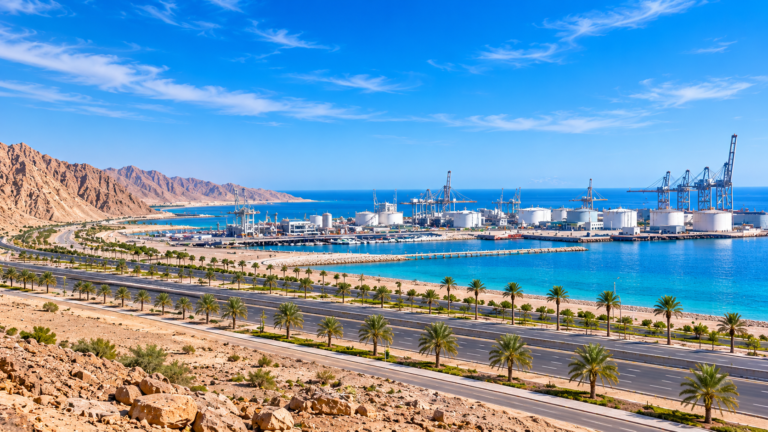
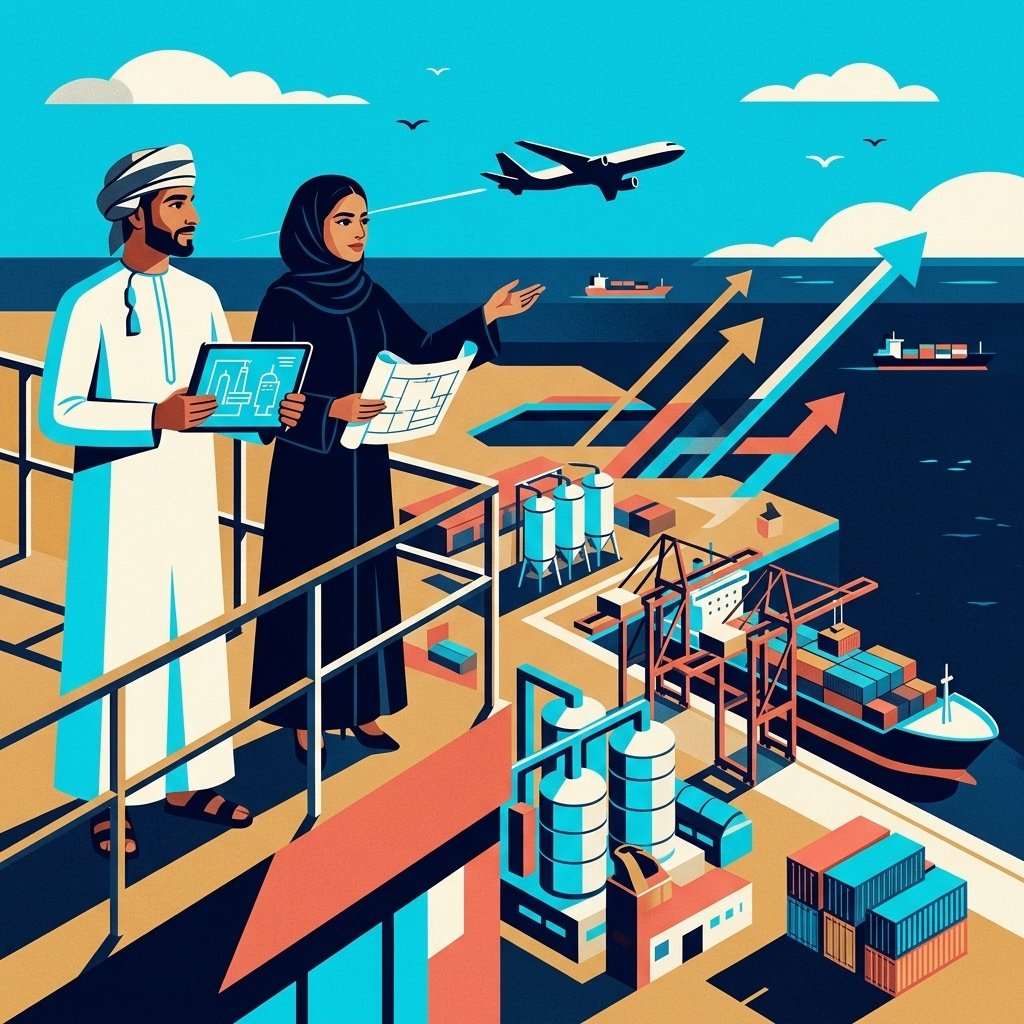
Walk through the loading bays of Sohar’s industrial district or past the newly readied cargo aprons at Muscat Airport Free Zone, and the pace of outbound shipping tells a clear story. Between January and the end of August 2026, Oman’s exports of industrial goods, manufactured products, and processed raw materials climbed to OMR 3.6 billion—up from OMR 2.8 billion during the same eight-month period in 2025, a surge of 28.6 percent.
That momentum builds on a landmark 2025 performance in which total industrial exports reached OMR 4.3 billion, accounting for 64 percent of all non-oil exports leaving the Sultanate. In the first half of 2026 alone, manufacturing industries contributed OMR 1.8 billion to Oman’s gross domestic product, anchoring the country’s shift away from hydrocarbon reliance toward long-term production and regional supply-chain integration.
OMR 22.4 Billion Committed Across Special Economic and Free Zones
Much of this industrial output originates inside the network overseen by the Public Authority for Special Economic Zones and Free Zones (OPAZ). During 2025, Oman’s special economic zones, free zones, and industrial cities attracted more than OMR 1.4 billion in fresh capital, lifting total committed investment across these hubs to OMR 22.4 billion—a 6.8 percent increase over 2024.
Across 2025, zones nationwide signed 325 new investment agreements spanning diverse manufacturing and logistics activities. The pace has continued into the fourth quarter of 2026: just last week, 28 additional investment contracts worth more than OMR 304 million were signed across the economic zones, free zones, and industrial cities.
Expanding the Map: Four New Industrial Cities and Legal Modernization
To keep pace with investor demand, Oman has paired legislative reform with geographic expansion. The Law on Special Economic Zones and Free Zones, promulgated by Royal Decree No. 38/2025, streamlined regulatory procedures and incentives for domestic and international manufacturers.
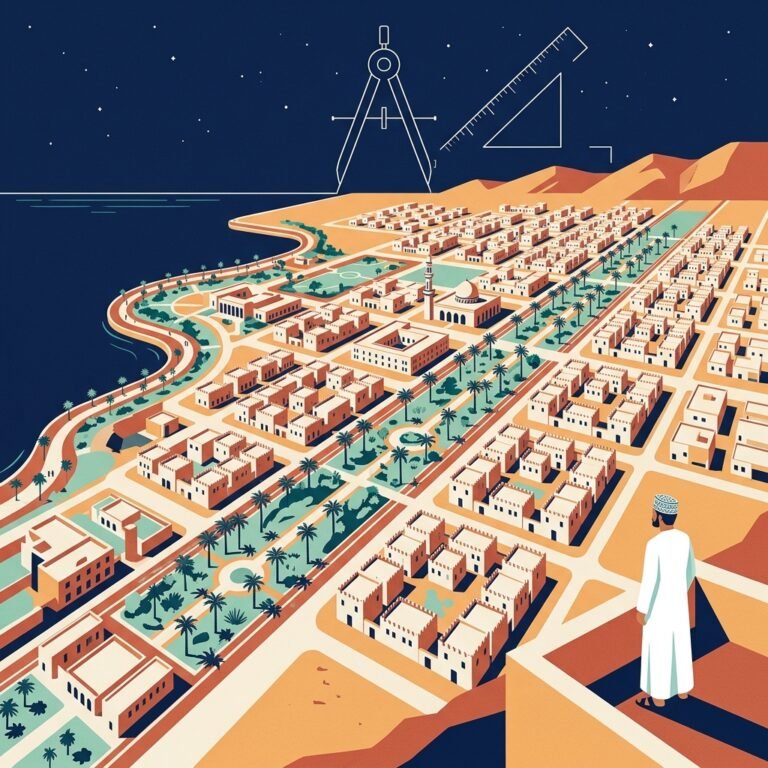
On the ground, new production corridors are extending into governorates beyond the traditional coastal ports. Development is underway on the Special Economic Zone in Al Dhahirah and the Economic Zone in Al Rawdah, alongside four new industrial cities in the wilayats of Al Mudhaibi, Al Suwaiq, Thumrait, and Madha. Meanwhile, Asyad Group’s declaration of operational readiness at the Muscat Airport Free Zone this year has added a dedicated air-freight and light-manufacturing gateway in the capital.
The Kafa’a Program and 24,000 Jobs for Omani Talent
Looking toward 2030 and Oman Vision 2040, the Ministry of Commerce, Industry and Investment Promotion recently launched the first phase of the “Kafa’a” (Efficiency) program under the Industrial Strategy 2040. The initiative prepares Omani factories for Fourth Industrial Revolution standards, integrating smart manufacturing, automation, and artificial intelligence to boost operational productivity.
Under the second phase of Oman Vision 2040 and the Eleventh Five-Year Plan, the Industrial Strategy targets raising industrial exports to more than OMR 10 billion by 2030, lifting manufacturing’s share of GDP to 10 percent, and attracting OMR 5.9 billion in new manufacturing investments over the five-year cycle. At the human center of those targets is a commitment to generate more than 24,000 direct manufacturing jobs for Omani citizens—part of a broader national employment plan designed to create 301,000 direct roles across the public and private sectors.