In a landmark diplomatic move, Oman and Iran have initiated a phased framework to restore safe navigation through the strategic Strait of Hormuz, following the devastating impacts of recent regional conflicts.
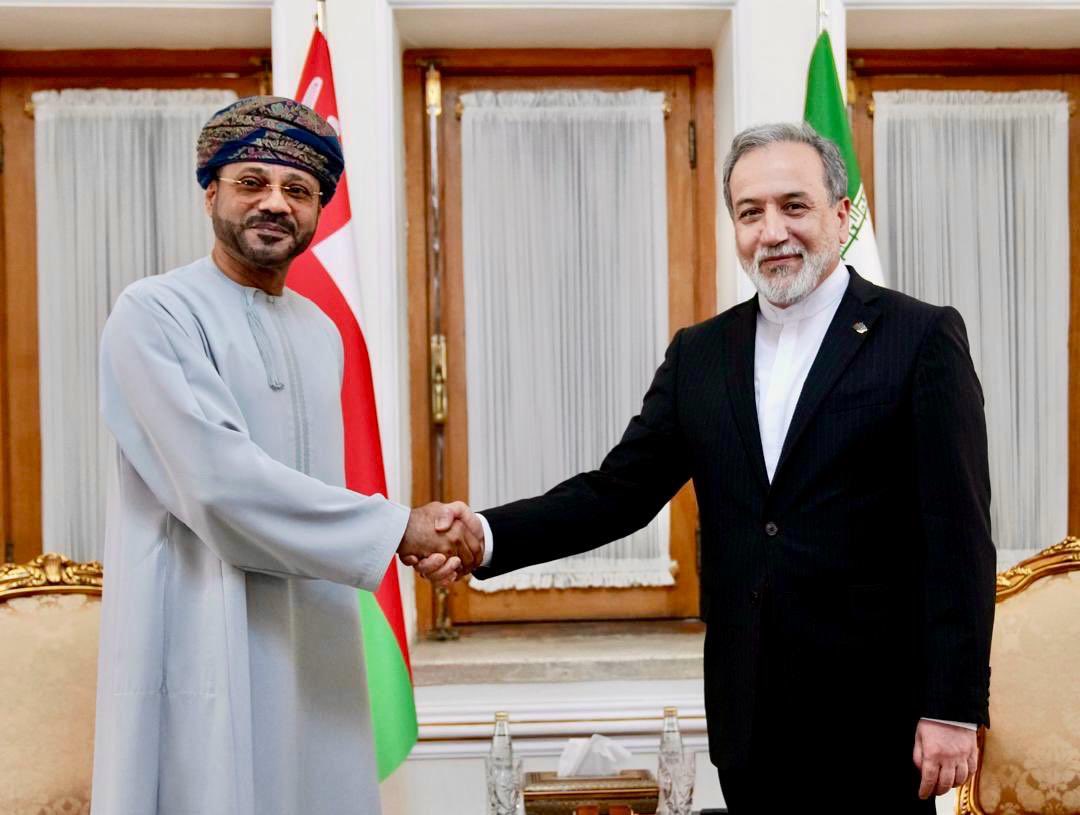
In a significant development for Gulf maritime security, His Excellency Mr. Badr bin Hamad Al-Busaidi, Oman’s Minister of Foreign Affairs, conducted a crucial working visit to the Islamic Republic of Iran today. The high-level discussions, held with Iranian Foreign Minister Dr. Seyyed Abbas Araghchi, signal a concerted effort to stabilize one of the world’s most critical oil and gas shipping chokepoints.
Joint Statement Highlights Urgent Need for Safe Navigation
According to a joint statement released by the Sultanate of Oman and the Islamic Republic of Iran, the ministerial consultations were intensely focused on the mutual importance of resuming secure shipping routes through the Strait of Hormuz. Both nations underscored the necessity of this initiative to protect their national sovereignty and sovereign rights within the contentious waterway.
The talks come at a pivotal time, as the region grapples with the aftermath of recent conflict and its humanitarian and economic consequences. The disruption of maritime traffic has posed significant risks to global energy markets and the stability of the Gulf states.
Phased Framework: A Temporary Corridor and Demining Initiative
Addressing the current conditions, the two ministers deliberated on a phased framework designed to offer a practical foundation for recovery. The proposed action plan includes two immediate, high-priority measures:
- Establishment of a Temporary Joint Navigational Corridor: A provisional maritime passage will be created to bypass immediate hazards and ensure continuous commercial vessel flow.
- Joint Mine-Clearing Project: Both countries will collaborate on clearing mines from the strait, a critical step for restoring safety and confidence in navigation.
Technical Talks Set to Pave the Way for Long-Term Stability
Beyond immediate relief, the diplomatic roadmap includes sustained technical engagement between Omani and Iranian experts. These talks aim to establish:
- A permanent navigational corridor ensuring long-term security.
- Future management arrangements and operational protocols for the strait.
- An information exchange mechanism for monitoring maritime traffic.
- A comprehensive package of navigational and security services.
Regional Engagement and International Law Compliance
Both sides emphasized the importance of expanding discussions to include other Gulf-bordering nations. This inclusive approach aims to ensure sustainable and widely accepted outcomes.
The joint statement also reaffirmed a commitment to international law and respect for the sovereign rights of coastal states, balancing cooperation with national jurisdiction.
Implications for Global Energy Markets and Regional Diplomacy
The initiative represents a proactive step toward regional de-escalation and cooperation. For global energy markets, the development signals potential stabilization of oil prices and reduced maritime insurance risks.
As negotiations continue, observers will closely monitor how this agreement evolves into concrete action and whether it can serve as a model for broader Gulf cooperation.