Oman Takes Centre Stage in Global Push for Peace as Muscat Plan Forum Unites Leaders from 40 Countries
MUSCAT, Oman – In a world increasingly challenged by division, intolerance and conflict, Oman has brought together voices from across the globe around one powerful message: peace must begin within communities, and those closest to the people must have a leading role in protecting it.
The Omani capital has become an international meeting point for religious and traditional leaders, representatives of Indigenous Peoples, United Nations officials, policymakers and young peacebuilders from 40 countries, as the Global Muscat Plan Forum seeks to turn international commitments into practical action against hate speech, incitement to violence and mass atrocities.
Hosted by the Sultanate of Oman, represented by the Ministry of Endowments and Religious Affairs, the two-day forum opened with a consultative meeting bringing together 70 participants, including prominent international figures and community leaders. Held under the theme “From Global Commitment to Local Impact: Prevention and Peacebuilding,” the gathering coincides with the International Day for Tolerance and places local communities at the heart of global efforts to build sustainable peace.
At its core is the Muscat Plan, an international initiative recognising the indispensable role of religious and traditional leaders and Indigenous Peoples in preventing conflict, countering hate speech, addressing incitement and helping prevent genocide and other atrocity crimes through dialogue, mediation and community engagement.
More than a diplomatic gathering, the forum represents an important shift in the global approach to peacebuilding: from acknowledging the influence of community leaders to empowering them with the knowledge, resources, partnerships and institutional support needed to make a meaningful difference.
Peace Begins Before Conflict Erupts
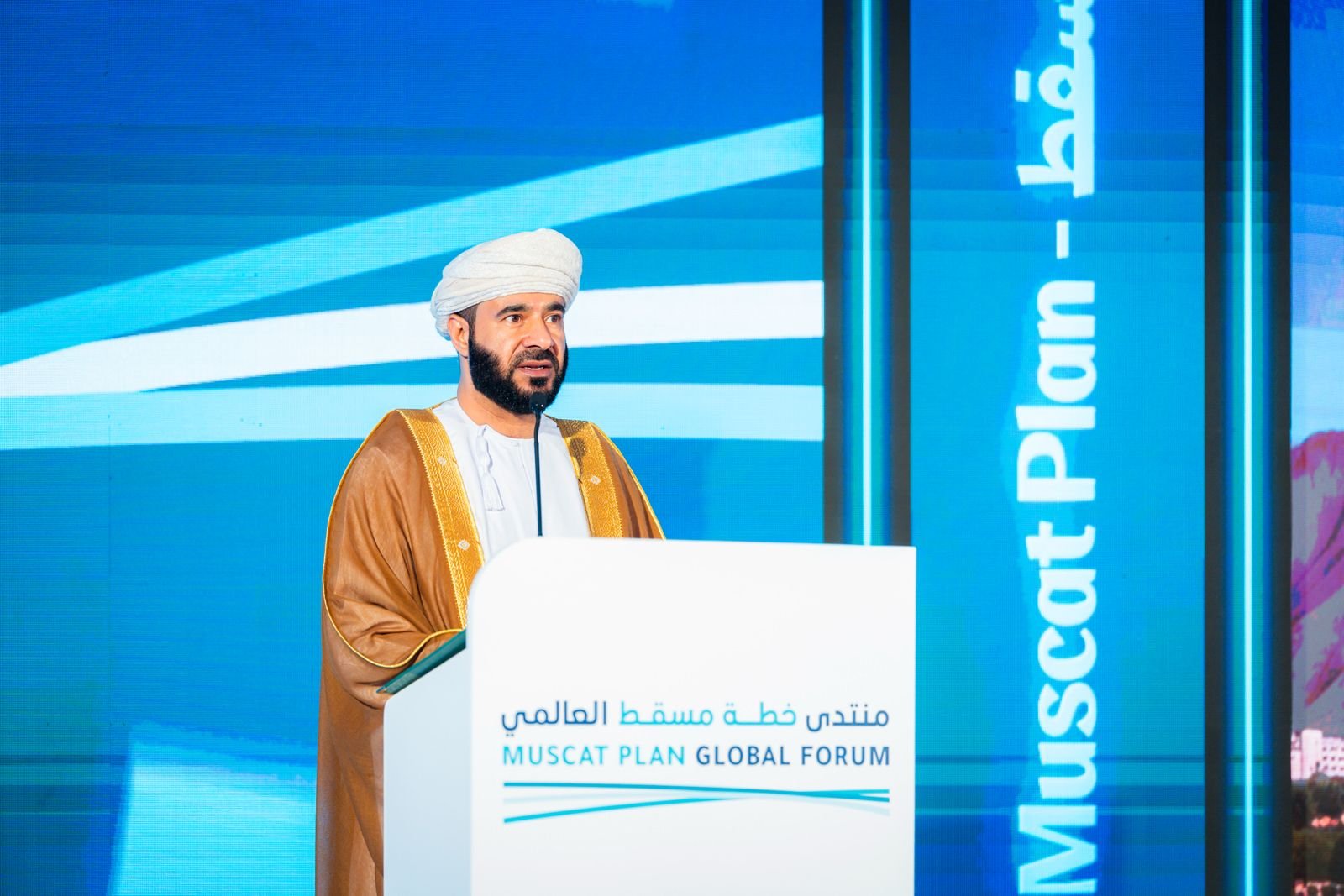
Opening the consultative meeting, His Excellency Dr Mohammed bin Said Al Maamari, Minister of Endowments and Religious Affairs, emphasised that peace cannot be measured merely by the absence of war, the cessation of hostilities or the signing of agreements.
Rather, lasting peace is built through trust, shared values, mutual understanding and the ability of societies to manage differences without allowing them to develop into hostility, division or violence.
He stressed that preventing conflict requires recognising its early warning signs, addressing the underlying causes of fear, alienation and polarisation, and strengthening relationships between communities before tensions escalate.
Religious and traditional leaders, he explained, possess something that formal institutions cannot always easily replicate: the trust of their communities, an intimate understanding of local cultures and social dynamics, and the ability to reach people at the grassroots level.
Their influence makes them essential partners in reconciliation, mediation, easing tensions, bridging divisions and preserving social cohesion.
Dr Al Maamari called for a transition from simply recognising the importance of these leaders to ensuring their effective and sustainable participation in peacebuilding.
“What we need today is for the legitimacy of institutions to complement the trust of communities, and for specialised knowledge to come together with inherited wisdom,” he said.
He also underlined the importance of developing practical mechanisms for receiving, verifying and responding to early warnings of hate speech, incitement and emerging tensions, while ensuring that the impact of preventive interventions can be monitored and evaluated.
The Minister noted that the forum’s outcomes would contribute to preparing an implementation framework for the Muscat Plan, paving the way for further regional consultations through the Muscat Process.
He reaffirmed that Oman’s hosting of the gathering reflects its longstanding approach to international engagement, founded on dialogue, understanding, respect for diversity and peaceful coexistence.
A Global Initiative with Local Roots
The significance of the Muscat Plan lies in its recognition that preventing mass atrocities and violence cannot be left exclusively to governments, security institutions or international organisations.
It requires the active participation of people who understand their communities, recognise emerging tensions and possess the credibility to encourage dialogue when divisions threaten social harmony.
Launched at United Nations Headquarters in New York on 11 June 2026 by UN Secretary-General António Guterres, the plan emerged from an international consultative process led by the Office of the UN Special Adviser on the Prevention of Genocide, in partnership with Oman and the Network for Religious and Traditional Peacemakers.
Its development included consultations in Abuja, Nigeria, in 2022 and Muscat in 2023, involving 78 traditional leaders and stakeholders from 38 countries.
The initiative seeks to strengthen the contributions of traditional leaders and Indigenous Peoples in countering hate speech, preventing genocide and atrocity crimes, and addressing incitement through peaceful mediation.
Its central message is clear: communities should not be viewed merely as recipients of peacebuilding policies, but as essential partners in designing and implementing them.
Words Can Divide – But They Can Also Build Bridges
Former Finnish President Her Excellency Tarja Halonen highlighted the dangerous consequences of intolerance and hate speech, warning that words can gradually normalise discrimination, undermine trust and transform differences into hostility.
Addressing the forum, she stressed that prevention must begin long before violence erupts, through everyday interactions, respect for diversity and the willingness to accept differences.
“Hate speech can make discrimination appear more acceptable and gradually turn neighbours into enemies,” she said.
Halonen emphasised that religious and traditional leaders and Indigenous representatives are particularly well positioned to counter these developments because of their longstanding relationships with communities, their local knowledge and their experience in dialogue, mediation and conflict resolution.
She urged them to stand up for individuals and groups targeted because of their identity, beliefs or ethnic backgrounds.
She also highlighted the importance of empowering women and young people, describing their participation as essential to building resilient and peaceful societies.
Women, she noted, play a vital role in maintaining community cohesion during wars and conflicts, while young people bring fresh ideas, energy and perspectives that can help shape a more sustainable future.
She called for stronger cooperation among governments, international institutions, civil society organisations and community leaders, stressing that successful implementation depends on mutual respect and recognition of each partner’s strengths.
Also addressing the opening session, His Excellency Chaloka Beyani, United Nations Under-Secretary-General and Special Adviser on the Prevention of Genocide, underscored the contribution of traditional leaders and Indigenous leadership to preventing violence and mass atrocities, emphasising the need to involve them in addressing hate speech and incitement.
Indigenous Wisdom: Respecting People, Protecting the Future
A significant dimension of the forum’s discussions has been the contribution of Indigenous Peoples, whose traditional knowledge, philosophies and community practices offer valuable lessons in coexistence, respect and collective responsibility.
Sonia Astov Mahn Bardavi, an Indigenous women’s leader from the Quechua people of the Wanka Nation and a representative of Indigenous Peoples’ organisations, highlighted philosophies rooted in reciprocity, gratitude and respect for all forms of life.
She stressed the importance of listening to different voices, respecting collective decisions and drawing on the wisdom of elders to strengthen communication and understanding within communities.
For Indigenous Peoples, protecting rivers, forests and mountains is not simply an environmental concern; it is a responsibility towards future generations.
“Harming others is harming ourselves,” she said, reflecting the interconnectedness of humanity and the importance of safeguarding the rights and dignity of every individual.
She also explained how Indigenous communities pursue peaceful resistance through organisation, spirituality and legal advocacy, demonstrating that the protection of rights and the pursuit of justice do not require violence.
Young People: From the Frontlines of Conflict to the Frontlines of Peace
The forum has also placed particular emphasis on young people, recognising that although they are often among those most affected by conflict, they are equally capable of becoming powerful agents of prevention and positive change.
As part of its programme, the specialised training initiative “Oman Harmonious Connections” has brought together young men and women from more than 20 countries for training on religion, mediation, conflict analysis and dialogue.
The initiative aims to strengthen their practical skills and equip them to contribute more effectively to peacebuilding within their communities.
Mohamed Elsanousi, Executive Director of the Network for Religious and Traditional Peacemakers, noted that many participants are already actively involved in mediation and peacebuilding efforts.
He highlighted the valuable experience, perspectives and leadership abilities they bring to strengthening dialogue and developing sustainable solutions.
Among the participants is Florencio, a young man from Colombia who has spent nearly a decade advocating the meaningful participation of underrepresented groups, particularly in international and intergovernmental processes.
He believes young people have a pivotal role in creating a more peaceful world, developing innovative solutions that begin at the community level and extend into political and economic spheres.
Lebanese participant Kelly Ketchichjian, an international relations and political science student involved in youth engagement and human rights initiatives, highlighted the importance of understanding the complex causes and dynamics of conflict.
Her training covered issues including gender-based violence, gender-related norms and conflict analysis frameworks, providing practical tools for mediation and conflict resolution.
Reflecting on Lebanon’s cultural diversity and its challenges, she stressed that building a peaceful future requires the participation of every segment of society.
“We are not children of Lebanon; we are children of the world,” she said, expressing the importance of solidarity and shared responsibility beyond national boundaries.
When Children Define Peace, the Message Becomes Even More Powerful
The forum’s message extended beyond diplomatic discussions and international policy to include one of society’s most important voices: children.
Through a Model United Nations simulation, students were introduced to the work of the United Nations and its various committees, taking on the roles of country representatives to discuss human rights, international peace and security, and sustainable development.
When asked what the word peace meant to them, their answers offered a simple yet profound reminder of what global peacebuilding ultimately seeks to achieve.
For Mohammed, peace means “living together, respecting one another and solving our problems without violence”.
Joud, a student at Al Asriyah International School, described peace as respecting others, avoiding fights and encouraging children to play together without quarrelling.
Their participation also extended to an art activity in which children expressed their understanding of tolerance and non-violence through drawings and messages of peace.
Among the symbols featured was the internationally recognised knotted gun, representing the rejection of violence.
One young participant, Sarah, joined other children in colouring a large artwork carrying the message: “No to Violence, Yes to Tolerance”.
Explaining her drawing, she said: “The picture means that we should not be violent, that we should be tolerant and that we should not bully one another. I encourage children to always be tolerant because tolerance is beautiful.”
In a forum addressing some of the world’s most complex challenges, the children’s messages offered perhaps the simplest expression of its purpose: peace begins with how people treat one another.
From International Commitments to Measurable Action
Beyond the speeches and exchange of experiences, the consultative meeting focused on developing concrete mechanisms to implement the Muscat Plan.
A key session, entitled “From Commitment to Action: Towards Developing an Implementation Framework for the Muscat Plan,” brought together traditional leaders and representatives of Indigenous Peoples who had contributed to the plan’s development.
Participants examined how implementation could reflect the cultural, social and practical realities of different communities while ensuring that local leaders remain central to prevention and peacebuilding efforts.
Three interactive working sessions focused on the plan’s main pillars:
Capacity-building: Strengthening the knowledge, skills and practical abilities of community leaders and institutions to identify, prevent and respond to tensions and conflicts.
Communication and dialogue: Developing constructive communication, countering hate speech and promoting understanding among communities with different cultures, beliefs and identities.
Partnerships and cooperation: Improving coordination among religious and traditional leaders, Indigenous Peoples, government institutions, civil society organisations and international partners.
The sessions enabled participants to exchange experiences, identify existing challenges and develop recommendations with clear objectives, proposed activities, potential partnerships and mechanisms for monitoring progress.
The outcomes were reviewed during a plenary session, contributing to a draft implementation framework presented as part of the Global Muscat Plan Forum’s proceedings.
On Monday, 16 November, the forum continued its discussions in conjunction with the International Day for Tolerance, reviewing the consultative meeting’s recommendations and exploring the next steps for implementation, international partnerships and regional cooperation through the Muscat Process.
Oman’s Message to the World: Peace Is a Shared Responsibility
Oman’s role as host of the Global Muscat Plan Forum carries significance beyond providing a venue for international dialogue.
By bringing together representatives of 40 countries, the Sultanate has provided a platform for connecting international commitments with the experiences, knowledge and leadership of local communities.
Its approach reflects a longstanding conviction that dialogue, mutual respect and understanding are essential foundations for peaceful relations among peoples, cultures and religions.
The forum also reinforces an important principle: sustainable peace cannot be imposed from above or achieved through political agreements alone. It must be nurtured within communities, supported by trusted leadership and strengthened through cooperation across generations.
The Muscat Plan offers an opportunity to turn this principle into a practical international framework – one that recognises early intervention, community trust, peaceful mediation and the meaningful participation of women, Indigenous Peoples and young people as essential elements of conflict prevention.
Ultimately, the success of the initiative will not be measured by the number of meetings held or declarations adopted, but by its ability to help communities recognise warning signs, overcome divisions, prevent violence and protect human dignity.
And perhaps that is the most important message emerging from Muscat: the road to global peace does not begin only in international halls or political negotiations. It begins in communities, in conversations between neighbours, in the courage to respect differences and in the willingness to choose dialogue over division.
Through the Global Muscat Plan Forum, Oman is helping bring that message to the world – and turning the promise of peace into a shared responsibility and a call for action.