
The numbers from the first quarter of 2026 prove that Oman’s shift away from oil dependency is working. Non-oil exports reached OMR 1.611 billion. This is a structural change, and it shows the results of deliberate policy rather than market accidents. For decades, the Gulf economies lived and died by the barrel price. Oman is proving that a different path is possible.
Chemical Manufacturing and Base Metals Drive Growth
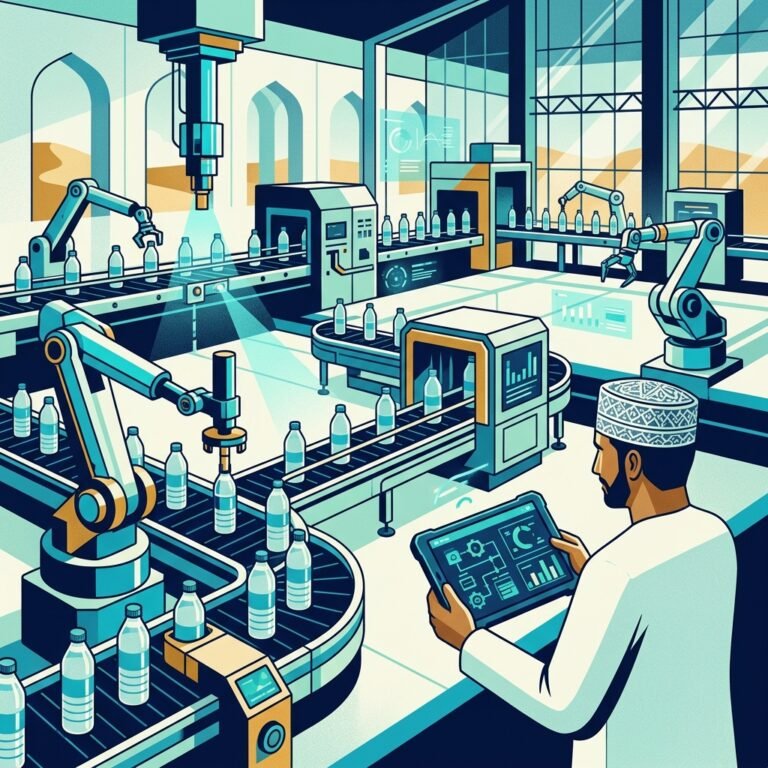
Chemical manufacturing led the charge. The sector grew by 17% compared to last year, bringing in OMR 216 million in a single quarter. Base metals followed closely, increasing by 10.8% to reach OMR 376 million. We are producing heavy industrial goods, and the region is buying them. The United Arab Emirates purchased OMR 382 million of these non-oil exports, securing its position as our largest market. Saudi Arabia followed with OMR 201 million.
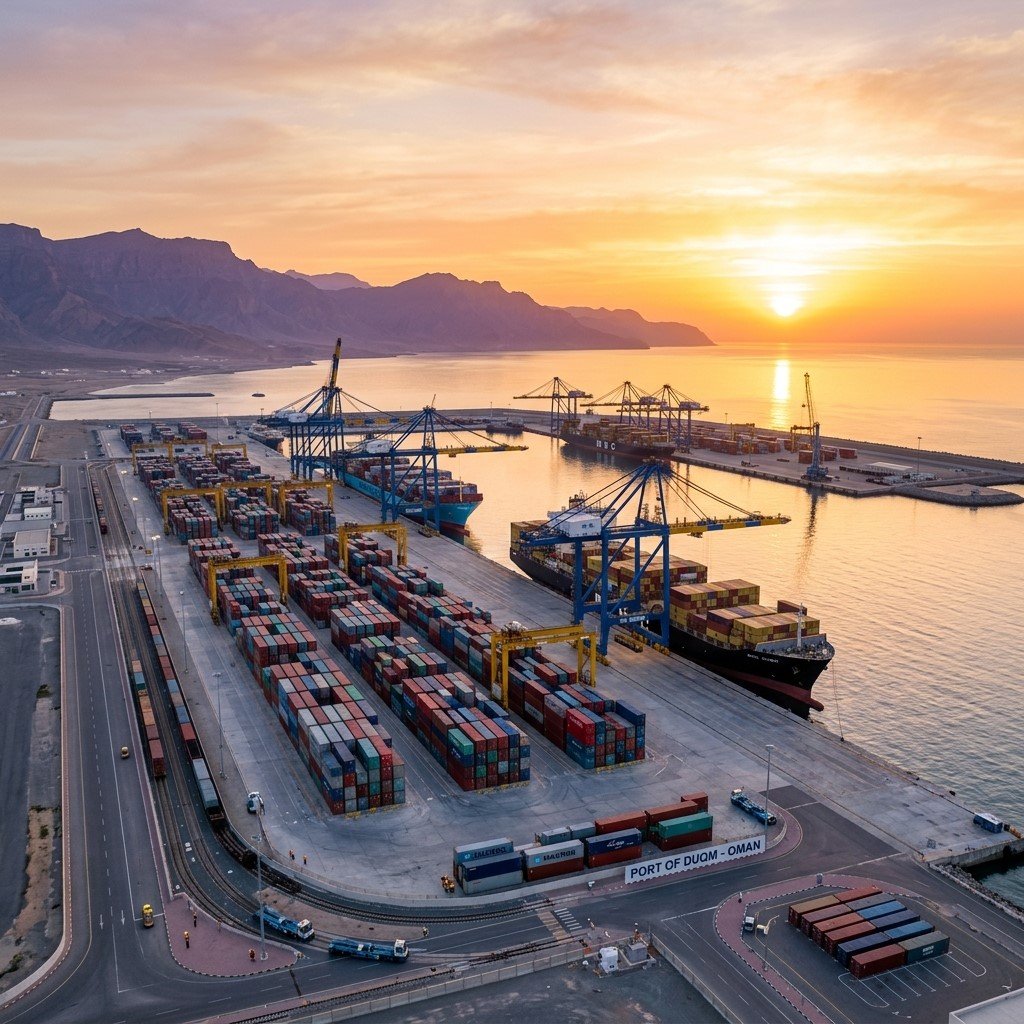
The demand extends far beyond the GCC. India and South Korea took in OMR 156 million and OMR 154 million respectively, while the United States accounted for OMR 133 million. These figures represent real Omani products competing and winning on the global stage. They represent factories in Sohar and Duqm operating at high capacity, employing local talent, and shipping goods across oceans.
The Role of Trade Services
Re-exports also rose by 4.6% to OMR 367 million. The Ministry of Commerce, Industry and Investment Promotion deserves credit here. Through their “Oman Exports” initiative, they removed friction for national companies trying to reach foreign markets. They streamlined customs procedures and improved trade services at the ports. The strategy is paying off in hard numbers.
Insulating the National Budget
Oil revenues will always fluctuate. We saw a dip in total merchandise exports early this year because of lower global oil and gas returns. The fact that non-oil exports stayed stable and even grew in key sectors shows exactly why Oman Vision 2040 is necessary. When energy prices drop, the manufacturing and logistics sectors act as a shock absorber for the national budget. The Sultanate is building an economy that can stand on its own production capabilities.
Sources
- Oman Observer: Oman’s non-oil exports rise to RO 1.6bn in Q1 2026
- Times of Oman: Oman’s non-oil exports see steady growth
- Ministry of Commerce, Industry and Investment Promotion (Tejarah): Official Q1 Trade Statistics
- Oman News Agency (Omanet): Export destination and sector breakdowns