While the summer Khareef turns southern mountains green, Dhofar’s true, perennial wealth is not its seasonal rain, but its ancient oral poetry, frankincense traditions, and community memory that thrive year-round.
The Voices Carried on the Mountain Winds
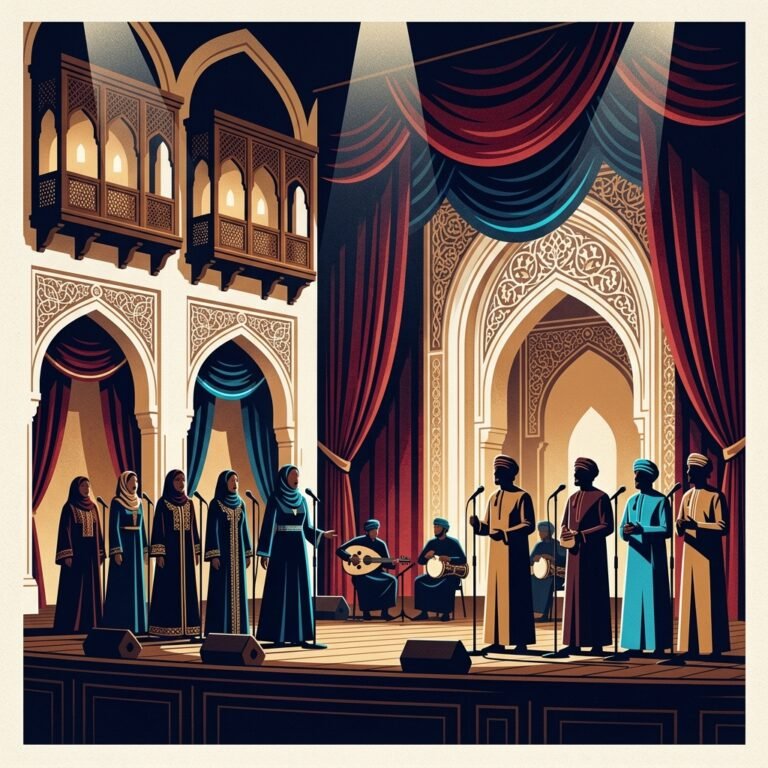
Every summer, the monsoon cloaks Dhofar in mist, drawing visitors to its cool slopes. Yet, as cultural observer Talib bin Kahilan Al-Shahri reflects, defining Dhofar solely by its weather overlooks its deepest asset: its living intangible heritage. Long after the monsoon departs, the human landscape endures through ancient oral melodies like the Habboot, Nana, and Rigzeh, serving as musical chronicles of tribal camaraderie, mutual honor, and communal life.
Frankincense Pathways and Ancient Stones
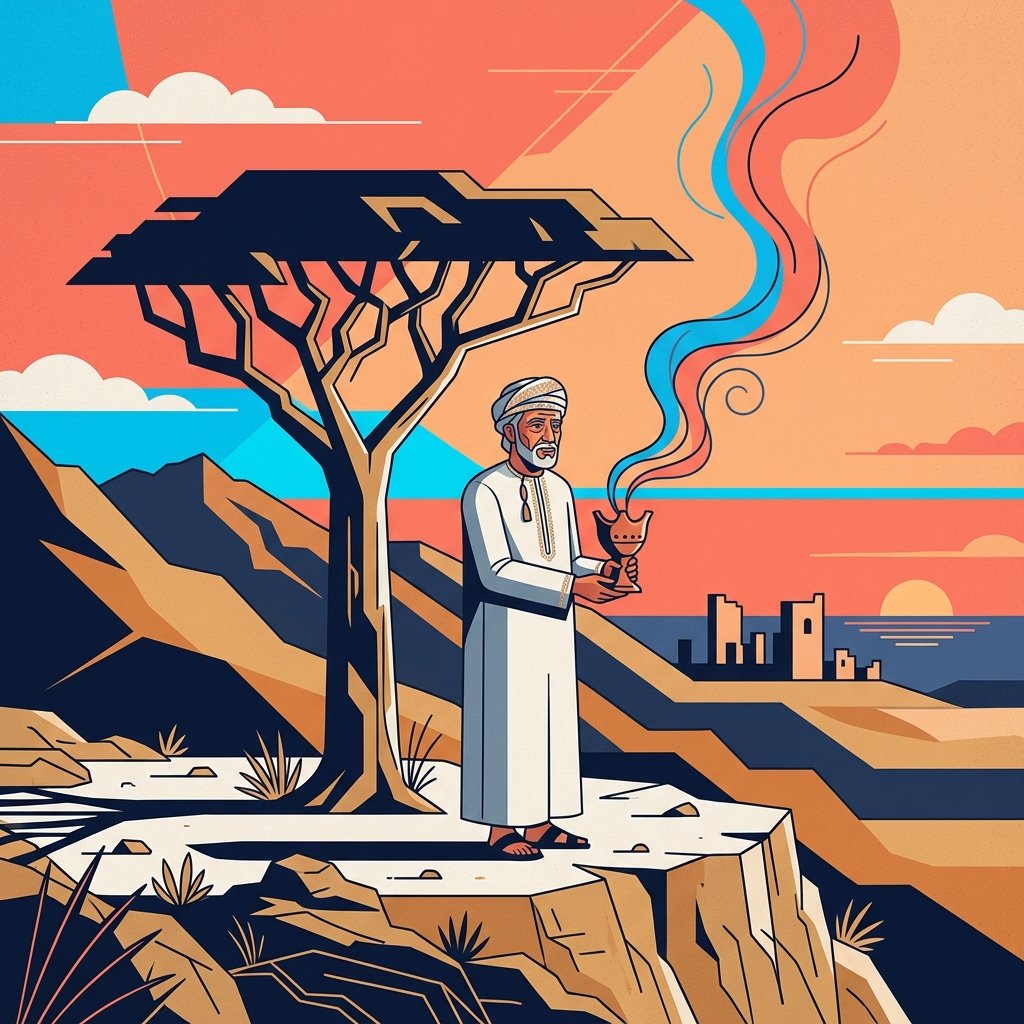
The southern valleys remain deeply bonded to the sacred harvesting of frankincense. Scoring the fragrant bark of Boswellia sacra and gathering translucent amber tears requires generations of ancestral botanical intuition. Alongside these living traditions stand UNESCO-inscribed landmarks like Sumhuram, Al-Baleed, and the inland oasis of Shisr, reminding travelers of an ancient maritime civilization that linked Oman to global spice routes.
Reframing the Southern Journey
Relying solely on a short seasonal tourism window strains local ecosystems and leaves cultural treasures dormant for the rest of the year. By embracing year-round cultural journeys—exploring autumn camel traditions, winter desert stargazing, and spring coastal heritage—tourism transforms into an encounter with authentic community life and sustained local prosperity.
A Heritage Grounded in People
Preserving Dhofar’s intangible identity requires empowering local custodians: the elders who remember oral verses and the youth who craft community-led experiences. The soul of Dhofar is not the mist that fades, but the enduring warmth of its people.