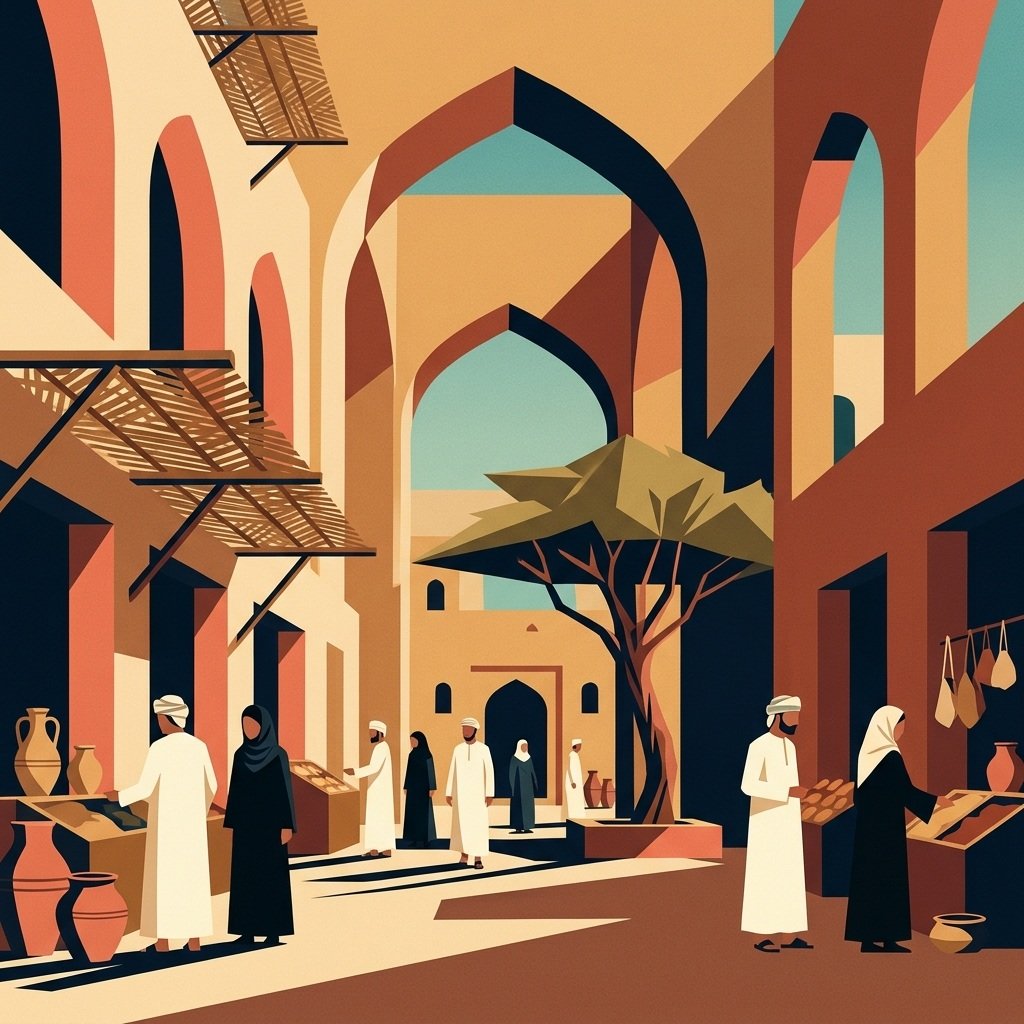
For more than two decades, the old traditional souq in the village of Al Rawdah, in the Samad Al Shan sub-district of Wilayat Al Mudhaibi, stood mostly quiet. Shops that once opened early for morning trade had gradually closed their doors and turned into silent storerooms. Even the familiar gathering space beneath the old Al Rawdah tree at the center of the market had lost the daily rhythm of neighbors stopping to talk and trade.
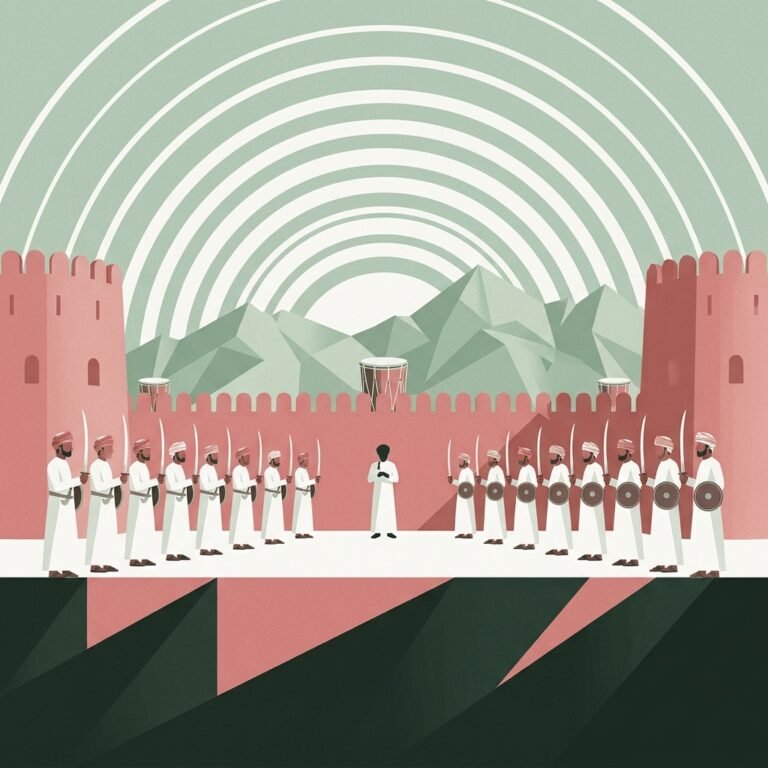
This week, that silence broke. Residents of Al Rawdah came together to celebrate the return of life to their old public souq after more than 24 years of closure. Under woven shade canopies and alongside the market’s familiar courtyard, traditional Omani folk-art troupes performed while productive families, rural women, and local small vendors opened stalls selling homemade goods, crafts, and everyday village wares.
A Revival Rooted in Belonging
Fatima Al Nu’maniyah, supervisor of the souq revival program, explained that the initiative grew out of a deep sense of belonging to the village and a determination to bring Al Rawdah’s younger generation back to a place that holds their families’ history and memories.
She noted that the idea took shape after watching fewer village residents pass through the old market square over the years, while closed shops slowly lost their original role and the space beneath the Al Rawdah tree fell quiet. Returning life to the market meant turning it back into an active meeting point for families, youth, and elders alike.
Doors Open to Local Families and Youth
Al Nu’maniyah said the initiative reached far beyond simply unlocking old shop doors. The goal was to restore the spirit of the village, create an open space where heritage meets present-day daily life, and give young men and women new room to participate in local trade.
Dedicated corners were set aside for productive families, rural women, and small village enterprises, helping home-based producers reach neighbors and visitors directly. To bring the opening to life, organizers approached local institutions and relevant government offices for support and guidance, finding strong cooperation that helped prepare the courtyard and run the event smoothly.
Building a Permanent Cultural and Tourism Stop
For the organizers, this week’s gathering is only the opening chapter. Al Nu’maniyah emphasized that the team is working toward a long-term plan to hold the souq on a regular schedule and gradually develop the old Al Rawdah market into a cultural and tourism destination that unites traditional character with modern community needs.
Achieving that vision, she said, will take steady partnership between public agencies, the private sector, and village residents. She invited companies and investors to join the next phase of restoring the market, noting that community-led projects like this serve village families directly while opening sustainable opportunities for the next generation.
At the close of the event, Al Nu’maniyah thanked the people of Al Rawdah—its young men, young women, and elders—as well as local journalists and photographers who documented the reopening, adding that reviving Al Rawdah’s old souq is a return of village spirit and a community story worth keeping alive.