Discover how Oman’s premier camel racing event blends deep-rooted tradition with modern innovation to drive cultural, economic, and social growth.
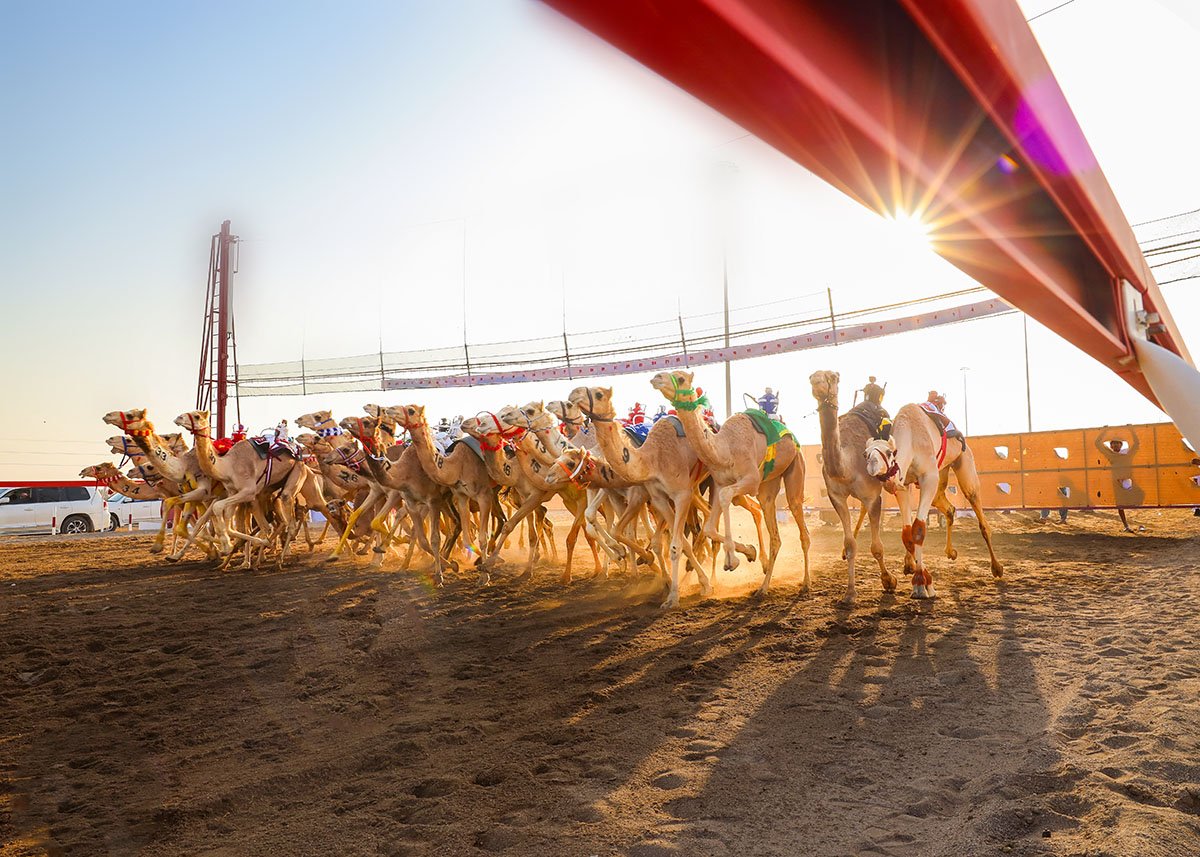
The Al Bashayer Camel Racing Festival, held annually at the Al Bashayer Racing Field in the Wilayat of Adam, is more than a sporting event—it is a national celebration.
Drawing camel owners, trainers, and enthusiasts from across Oman and the GCC, the festival reflects the profound bond between Omani society and its camel racing heritage—a legacy woven into the nation’s cultural and social identity.
Under the distinguished supervision of the Al Bashayer Arabian Camel Racing Field Department, affiliated with the Office of the Deputy Prime Minister for International Relations and Cooperation, the festival represents an advanced institutional model for heritage preservation. Meticulous planning and technical preparation have transformed Al Bashayer into a multifaceted national event with significant cultural, economic, and developmental impact—showcasing Oman’s dedication to honoring its past while embracing the future.
From Traditional Race to National Platform
Al Bashayer has successfully evolved from a seasonal gathering into a leading national institution for camel racing heritage. Through structured institutional oversight, the festival now operates within a clear, sustainable framework—ensuring continuity, professionalism, and growth far beyond individual or seasonal efforts.
By integrating modern management practices with the authenticity of traditional racing, Al Bashayer presents a replicable model for heritage revival: one that respects origins while meeting contemporary standards of organization and excellence.
Government Backing: Elevating Regional Leadership
Strong governmental and institutional support has been instrumental in elevating Al Bashayer’s stature. Investments in infrastructure, technical systems, and administrative organization have raised competition quality, boosted participant confidence, and attracted top camel owners from throughout the Gulf region.
Today, Al Bashayer is recognized as a regional benchmark—a case study in how local heritage can be transformed into an event with wide-reaching cultural, economic, and media influence.
Integrity Through Official Sponsorship & Oversight
The festival operates under integrated official sponsorship, covering organizational, logistical, and media dimensions. This backing assures participants of fairness and transparency through rigorous standards and protocols.
- Specialized judging committees ensuring fair competition
- Veterinary inspection protocols safeguarding animal welfare
- Rigorous monitoring mechanisms maintaining competition integrity
Such oversight ensures competition integrity, safeguards animal welfare, and enhances the event’s credibility—making participation a point of national pride.
More Than Sport: Deep Cultural & National Meaning
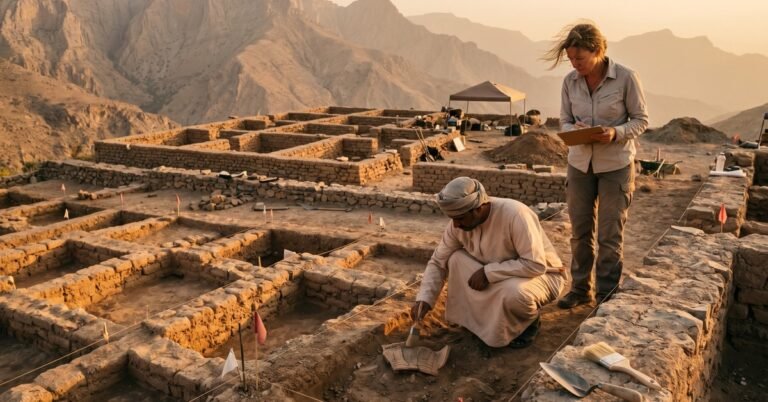
Camel racing in Oman is not just a sport—it is a living narrative of history, values, and community. Al Bashayer serves as a cultural bridge, connecting generations by presenting heritage in a dynamic, engaging format. The festival reinforces social cohesion, strengthens national identity, and sends a clear message: heritage is a source of strength and inspiration for the future.
Heritage is not merely preserved at Al Bashayer—it is celebrated, evolved, and passed forward as a living legacy for generations to come.
Premium Prizes: Raising Standards & Fostering Excellence
Substantial prizes motivate higher levels of competition, encouraging investment in camel breeding, care, nutrition, and training. This competitive environment drives up technical standards, advances expertise, and promotes professionalization—ensuring the long-term sustainability and progress of the camel racing sector.
Economic Impact: Empowering Local Business & Community
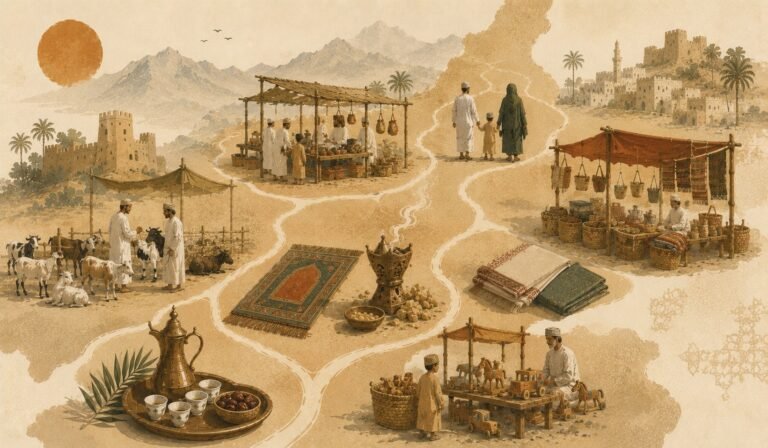
Beyond the racetrack, Al Bashayer stimulates local economies. Accompanying heritage markets and traditional villages provide platforms for small and medium enterprises (SMEs) and productive families to showcase and sell their products.
This turns the festival into an engine for local development—creating sales opportunities, promoting Omani products, and integrating tradition with entrepreneurship.
Community Engagement: A Living Heritage Experience
Through heritage villages, traditional markets, and interactive cultural activities, the festival actively involves the community. Visitors don’t just watch—they participate, creating emotional connections and deepening the social value of the event.
Media Amplification: Extending Reach & Building Legacy
National media, led by Oman Sports Channel and the “Al Mansah” studio, broadcasts the festival to audiences across Oman and the GCC. Media coverage does more than stream races—it highlights cultural symbolism, documents achievements, and creates a lasting archive for future generations.
World-Class Facilities & Omani Hospitality
Upgraded infrastructure ensures a safe, fair, and efficient environment for competitors and spectators alike. Enhanced crowd management, track facilities, and hospitality services reflect both professionalism and authentic Omani generosity—elevating the visitor experience and the festival’s overall reputation.
Public–Private Synergy: A Collaborative National Event
Strategic cooperation between government bodies and the private sector pools resources and expertise—improving service quality, expanding activities, and maximizing the festival’s socioeconomic impact. This partnership transforms Al Bashayer into a true community-wide project.
A National Symbol of Heritage and Progress
The Al Bashayer Camel Racing Festival stands as a successful Omani model for heritage stewardship—a modern institutional approach that balances authenticity with innovation. It demonstrates that cultural preservation and development can go hand in hand, turning tradition into a dynamic force for national value creation.
Year after year, Al Bashayer proves that the camel racing track is more than a venue for competition—it is a space of memory, identity, and belonging. A national platform that honors the past while actively shaping the future.