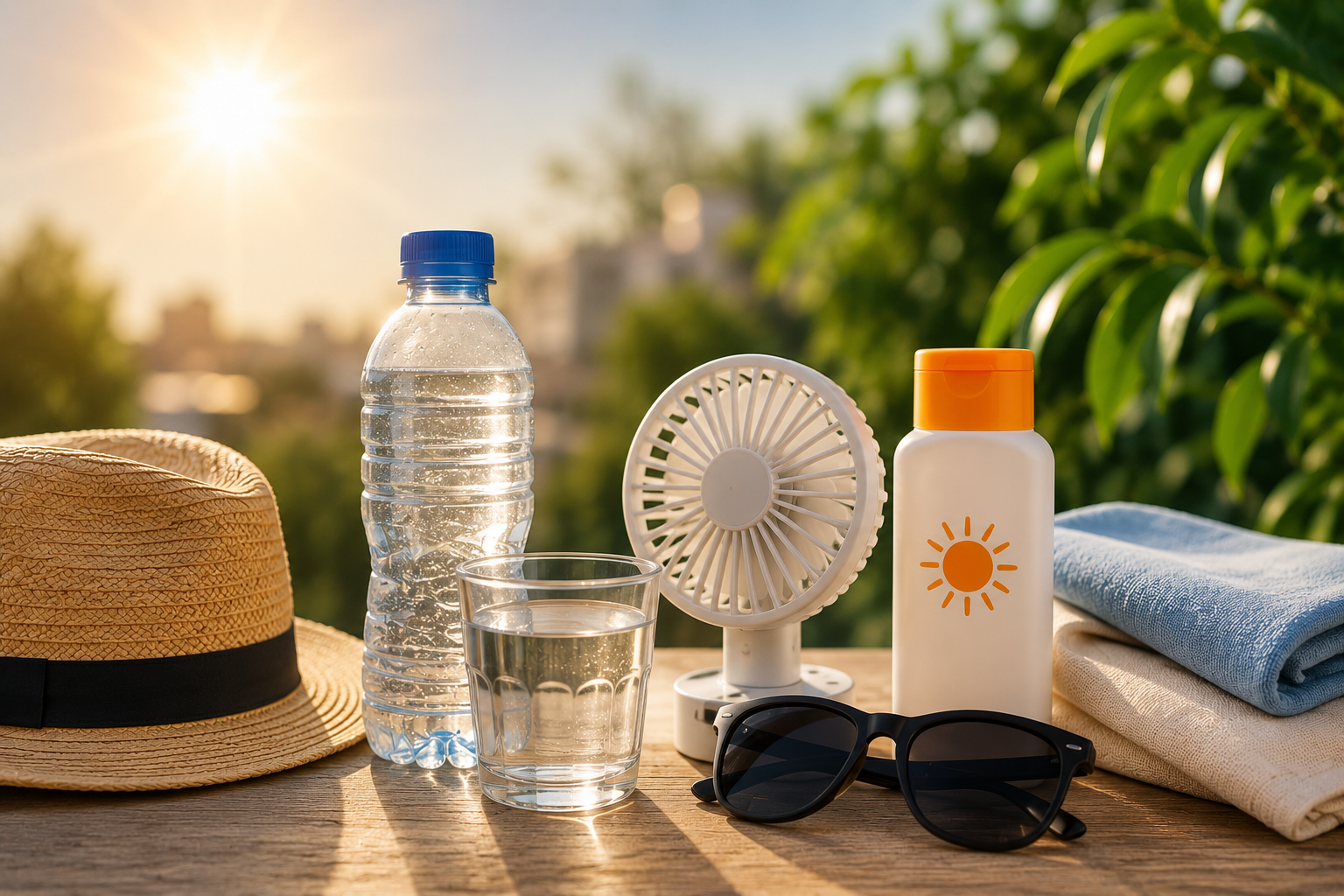
As temperatures rise during the summer season, it becomes increasingly important to take precautions to protect your health and well-being. Hot weather can lead to dehydration, heat exhaustion, and even heat stroke if proper safety measures are not followed.
Understanding how to stay safe in hot weather can help prevent serious health risks and ensure a comfortable summer.
Stay Hydrated
One of the most effective ways to stay healthy during hot weather is to remain hydrated. Drinking plenty of water throughout the day helps regulate body temperature and prevents dehydration. It is also advisable to limit beverages containing caffeine, sugar, or alcohol, as they can contribute to fluid loss.
Dress for the Heat
Wearing lightweight, loose-fitting, and light-colored clothing can help your body stay cool. When spending time outdoors, protect yourself from harmful UV rays by wearing a hat, sunglasses, and sunscreen with an appropriate SPF rating.
Avoid Peak Heat Hours
Another important hot weather safety tip is to avoid outdoor activities during peak heat hours, typically between 10 a.m. and 4 p.m. If you must be outside, take regular breaks in shaded or air-conditioned areas and avoid excessive physical exertion.
Recognize Heat-Related Illnesses
Recognizing the signs of heat-related illnesses is essential. Symptoms of heat exhaustion may include dizziness, headache, heavy sweating, nausea, and muscle cramps. If left untreated, heat exhaustion can progress to heat stroke, a serious medical emergency that requires immediate attention.
Keep Indoor Spaces Cool
Keeping indoor spaces cool by using fans, air conditioning, or proper ventilation can also reduce heat-related risks.
Check on Vulnerable Individuals
Additionally, checking on elderly family members, young children, and vulnerable individuals during extreme heat can make a significant difference.
Conclusion
By following these simple health and safety measures, you can reduce the risks associated with hot weather and enjoy a safer, healthier summer season.