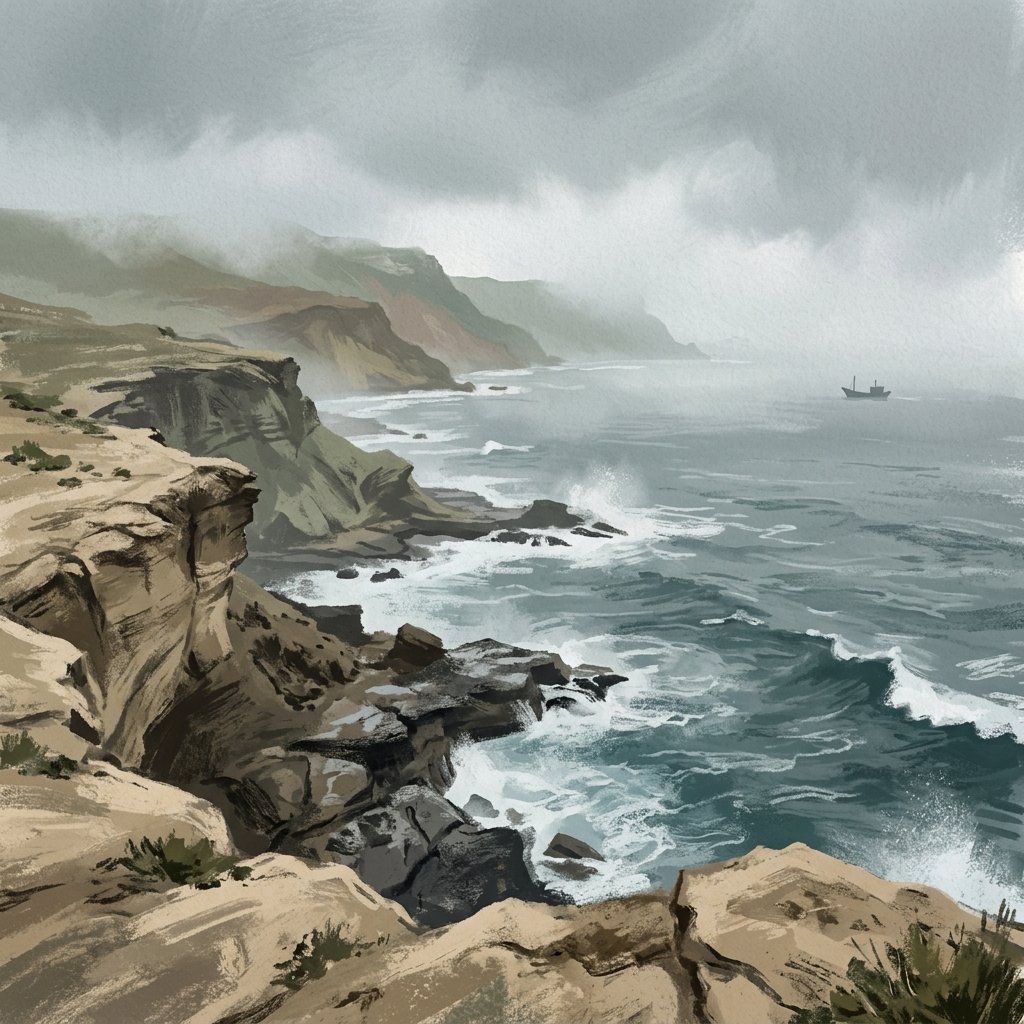
Environmental monitoring teams intensify containment operations across Ras Madrakah and the Hallaniyat Islands following the grounding of the tanker Caroline Bezengi.
Safeguarding the Southern Shores
Along the rugged, misty headlands of Dhofar, where the Arabian Sea meets the sandstone bluffs of southern Oman, environmental response teams are working around the clock to safeguard delicate coastal ecosystems. Following the grounding of the commercial tanker Caroline Bezengi near Qibliyah Island in the Hallaniyat archipelago, oil slick monitoring and containment operations have intensified across key coastal zones.
The Environment Authority confirmed that initial traces of oil pollution have reached several stretches of coastline near Ras Madrakah. Advanced numerical modeling and satellite monitoring suggest the slick could potentially affect up to 40 kilometres of shoreline, with predictive models extending warning parameters to the southern beaches of Masirah Island.
Technical Salvage Amidst Khareef Sea Conditions
Offshore, specialized marine response and salvage operations are underway to stabilize the grounded vessel and seal remaining leaks. Specialist personnel, equipped with salvage tugs, containment booms, and environmental assessment aircraft, are executing recovery maneuvers despite challenging Khareef monsoon swells.
Community Vigilance and Environmental Stewardship
Local fishermen, coastal residents, and sea enthusiasts across Dhofar have been advised to maintain a safe distance from affected shores and report sightings promptly. Through coordinated scientific monitoring, Oman remains steadfast in preserving the pristine biodiversity of its marine heritage.