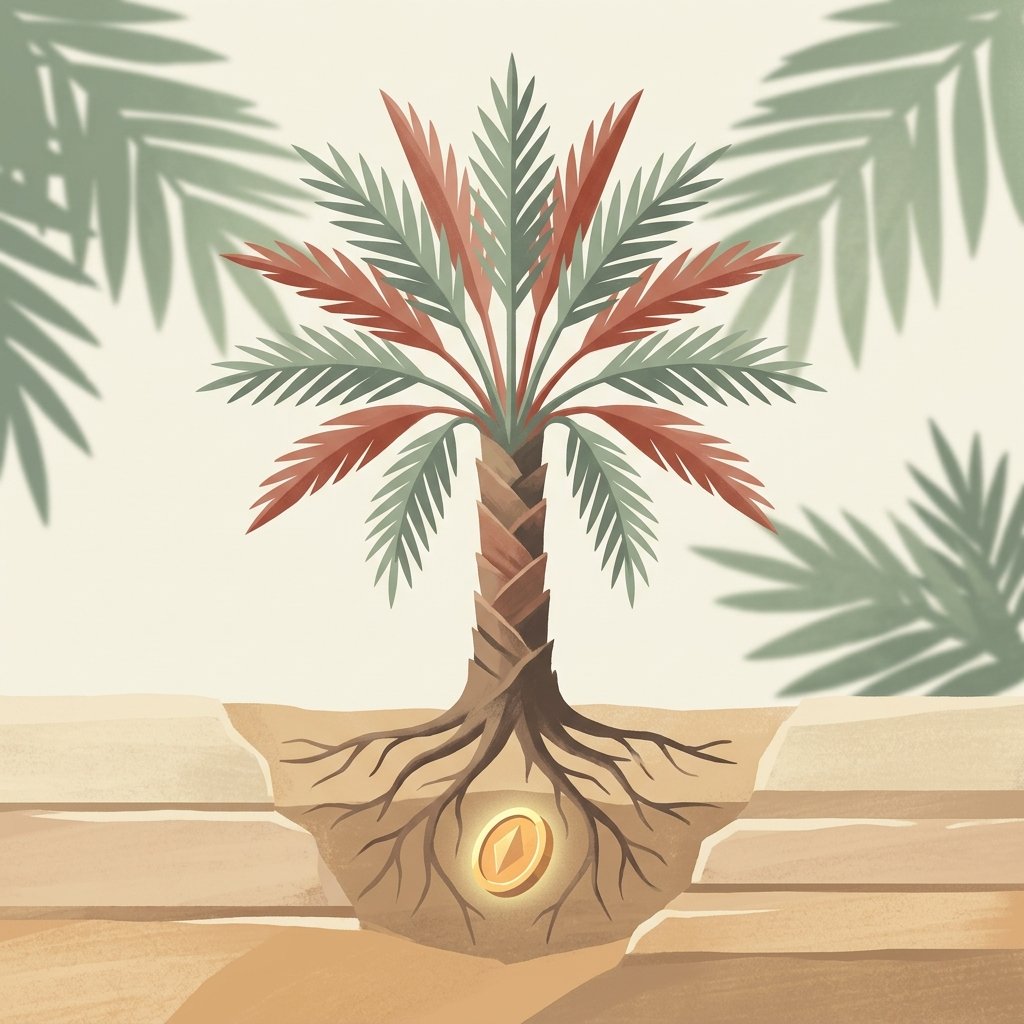
Across the valleys of Oman, the green canopy of date palms does not merely provide shade and fruit; it stands as a living testament to a century-old tradition of communal care. For generations, the date palm has been at the center of Omani social life, acting as the primary medium of charitable endowments, known locally as Waqf.
The Green Capital of Communal Care
As Omani researcher Dr. Hilal Al-Battashi explains, the date palm was the natural choice for Omani charity because it represented the country’s main agricultural capital. Owning palms ensured food security and trade income, making it the most valuable asset a citizen could offer.
Historically, Omani scholars like Sheikh Ja’ad bin Khamis Al-Kharusi and Imam Noor Al-Din Al-Salimi documented extensive jurisprudence to guide the management and preservation of these endowments, ensuring that they were protected for generations.
A Diverse Tapestry of Village Support
The variety of palm endowments reflects the diverse needs of historical Omani communities. The revenue generated from selling dates funded the maintenance of local mosques, provided dates for fast-breaking during Ramadan, and supported the copying and binding of scientific manuscripts. In some cases, palms were even dedicated to maintaining essential daily tools, such as the traditional stone flour mills used by village families.
In one notable historical example, an Omani scholar dedicated a collection of three hundred and forty hand-copied books, declaring them a permanent Waqf for all Muslims.
Preserving the Green Legacy for Tomorrow
Today, this historical legacy faces modern challenges, including land fragmentation and a declining interest in traditional farming among the younger generation. To address these issues, Dr. Al-Battashi suggests forming local community committees to manage the trees, utilizing digital records, and implementing modern farming contracts like sharecropping to restore neglected orchards. These efforts ensure that the agricultural wealth of the past continues to serve the Omani society of today.
Ultimately, the Waqf of date palms is a reminder that charity in Oman was never a distant transaction. It was something planted in the ground, watered by shared streams, and nurtured by the hands of the community. By preserving these green roots, Omanis continue to honor a heritage of generosity that grows stronger with every passing season.