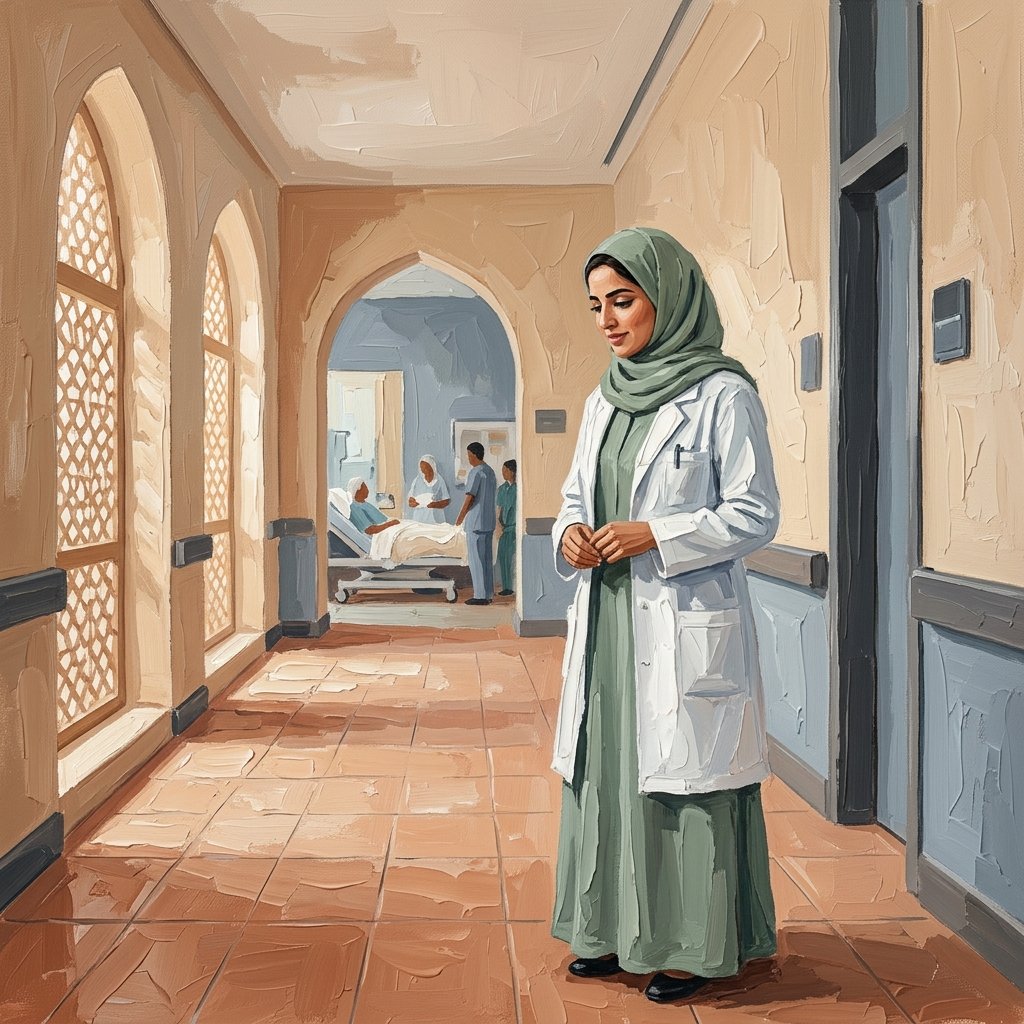
The Heartbeat of Care: How The Royal Hospital Reimagined Ward Flow from the Frontline
Anyone who has ever waited beside an ailing family member in an emergency department knows the quiet anxiety of that uncertain threshold. You sit beneath the hum of fluorescent lights, watching clinical teams rush past, wondering when a bed will open upstairs, when the next test will occur, and when the journey toward healing will truly begin. For decades in hospitals worldwide, finding that next bed meant a barrage of phone calls between charge nurses, scribbled paper ward lists, and disjointed coordination across sprawling corridors.
At The Royal Hospital in Muscat, a dedicated clinical team decided that clinical compassion begins by removing the friction from that threshold. Through the implementation of a pioneering homegrown platform—the Smart Dashboard for Operational Nursing Management—the hospital has quietly transformed patient admissions from an administrative puzzle into an intuitive, real-time rhythm of care.
Born on the Wards, Not in a Boardroom
What makes the initiative stand out is its origin. It was not imported as an off-the-shelf software package or conceived by distant management consultants. The concept was born directly from the daily lived experience of nurses on the floor.
“The idea came from our daily practice and the persistent challenges we observed with patient flow,” explains Muna bint Zaher Al Shaqsi, Director of Nursing at The Royal Hospital. In any major tertiary hospital, emergency departments face sudden waves of admissions. When patient beds fill rapidly, nursing supervisors traditionally spent precious hours phoning individual wards, confirming discharges, and tallying available mattresses.
“Our goal from day one was to make the patient’s journey smoother and more dignified,” Muna reflects. “We needed to move away from fragmented, repetitive calls and toward an instant, panoramic operational view of the entire hospital. When a bed opens or when an admission surges, the clinical teams need to see it immediately and act before bottlenecks compound.”
As Muna points out, managing hospital beds is never merely about counting furniture. It is about understanding human readiness: matching a patient’s acute medical needs with available nursing expertise, equipment, and ward capacity in the exact moment care is required.
Marrying Bed Capacity with the Hands That Heal
A hospital bed without a nurse beside it is just a piece of metal. That core truth formed the foundation of the system’s architecture.
“One of our most critical gaps was the lack of live integration between staffing rosters and bed occupancy,” explains Alia Al Mahrouqi, Deputy Head of Licensing and Credentialing in the Nursing Department. While ward occupancies fluctuated by the hour, nursing shifts and staff allocations were managed on separate schedules. If an unexpected surge arrived, supervisors had to manually calculate whether a ward had enough hands on deck to safely take another patient.
The new digital platform unified these two realities into a single live interface. By synchronizing nursing shift rosters directly with bed occupancy data, supervisors can instantly assess both physical capacity and clinical staffing ratios across every wing. If one department experiences heavy patient acuity while another remains steady, leadership can immediately redeploy nursing personnel, ensuring patient safety remains uncompromised even during peak operational hours.
Built by Local Minds for Everyday Realities
To translate clinical needs into working code, the nursing department worked side by side with the hospital’s internal information technology division. Rather than outsourcing the project, internal developers built the system around existing institutional infrastructure, linking directly into the hospital’s central Oracle databases.
Younis Al Harasi, Director of Information Technology at The Royal Hospital, emphasizes that technological tools must serve the human practitioner, not the other way around. “Our role was to listen to the operational heartbeat of the hospital, translating bedside needs into responsive, automated workflows,” he explains.
Colleagues like Abeer Al Husseini, head of systems and databases, and systems technician Abdulrahman Al Maamari spent weeks mapping data relationships, refining user interfaces, and ensuring reports updated dynamically without lagging the hospital’s network. Daily operational summaries that previously required hours of clerical compilation are now compiled and dispatched automatically each morning, allowing clinical supervisors to walk into their rounds equipped with clear, reliable data.
Preserving Dignity Through Thoughtful Order
The real measure of any healthcare innovation is not found in lines of code or glowing monitor displays, but in the quiet relief experienced by a patient moving swiftly from emergency triage into a prepared ward bed.
By replacing administrative chaos with clear visibility, The Royal Hospital has significantly shortened admission waiting times, reduced emergency room congestion, and shielded frontline nurses from unnecessary administrative fatigue. When systems run with quiet clarity, caregivers are freed to do what they entered medicine to do: hold a patient’s hand, listen to their concerns, and administer care with undivided focus.
In a healthcare landscape increasingly shaped by digital transformation, The Royal Hospital’s homegrown dashboard serves as a heartening reminder: the most powerful innovations are those designed with empathy, built by local hands, and dedicated to the simple, sacred duty of healing.